Why Finding the Right Siding Contractor Matters for Your Home
Siding contractors near me are home improvement professionals who install, repair, and replace exterior siding materials on residential and commercial properties. Finding a qualified local contractor ensures proper installation, protects your investment, and improves your home’s curb appeal and energy efficiency.
Quick Guide to Finding Siding Contractors:
- Verify credentials – Check for licensing, liability insurance, and workers compensation coverage
- Read reviews – Look for BBB ratings and verified customer testimonials
- Get multiple estimates – Request at least three written quotes with itemized breakdowns
- Ask about warranties – Confirm coverage for both materials and labor
- Check references – Contact past clients who had similar projects completed
- Review portfolios – Examine photos of completed work to assess quality and style
Your home’s siding is the first line of defense against rain, snow, wind, and temperature extremes. It also accounts for a significant portion of your property’s visual appeal and can impact heating and cooling costs by 5-30% when properly installed. With average replacement costs around $11,450—and some projects reaching $40,000 or more—choosing the right contractor isn’t just about finding the lowest bid. It’s about finding someone who will protect your home’s structural integrity while delivering lasting value.
The challenge is that there are approximately 7,750 exterior siding contractors listed on platforms like Houzz alone, making it difficult to separate qualified professionals from less experienced operators. The wrong choice can lead to moisture problems, energy inefficiency, and costly repairs down the road.
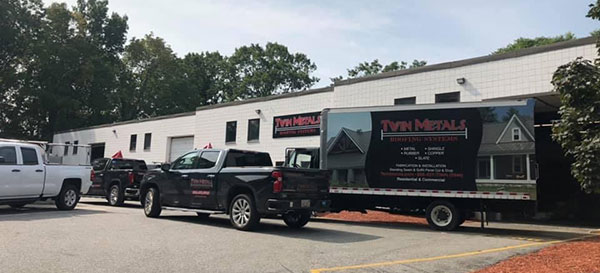
I’m Tom Gordon, owner of Twin Roofing, a division of Twin Metals, Inc. Over nearly two decades, I’ve worked with countless property owners navigating the process of finding reliable siding contractors near me who deliver both quality craftsmanship and fair pricing. Twin Roofing also installs asphalt roofs throughout Massachusetts and New Hampshire, and we understand how critical proper exterior protection is for New England homes.
Choosing the Right Siding Materials for Your Home
Selecting the right siding material for your home in Massachusetts or Southern New Hampshire is a crucial decision that impacts aesthetics, durability, maintenance, and energy efficiency. The best choice for your home depends on your budget, desired look, and the specific challenges of our New England climate.
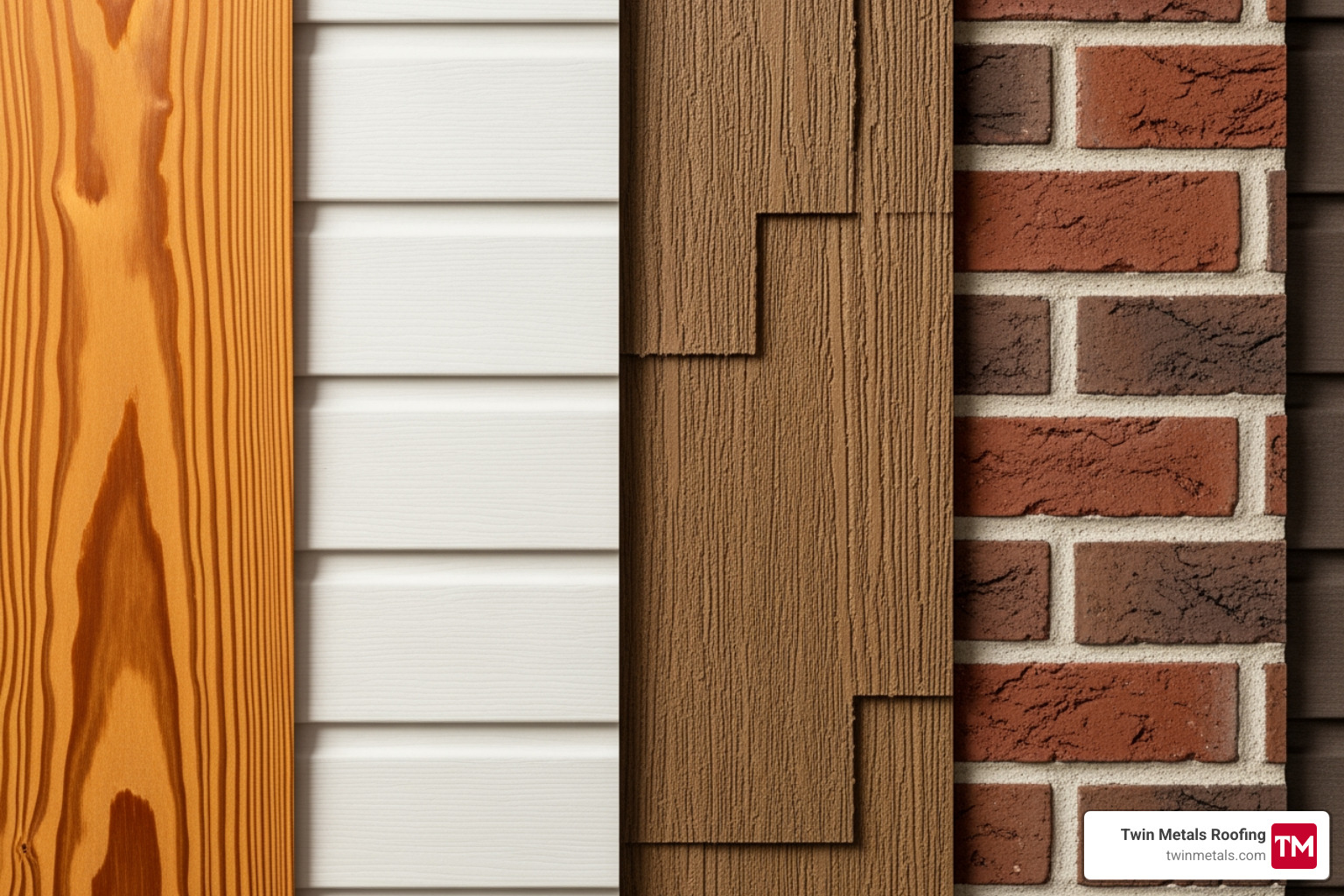
Here are some of the most common types of siding materials available, along with their pros and cons:
- Vinyl Siding
- Pros: Affordable, low maintenance (no painting needed), comes in a wide variety of colors and styles, relatively easy to install. It’s a popular choice for homeowners looking for a cost-effective solution.
- Cons: Can be susceptible to warping, cracking, or fading over time, especially in extreme temperatures or direct sunlight. Less durable than some other options against impacts.
- Cost (for a 2,000 sq ft house): Averages $9,000 to $14,000.
- Fiber Cement Siding (e.g., Hardie Plank)
- Pros: Extremely durable, resistant to rot, insects, fire, and harsh weather conditions, including the freeze-thaw cycles common in our region. It can mimic the look of wood, stucco, or masonry. Low maintenance once installed and painted.
- Cons: More expensive than vinyl, heavy (requiring specialized installation), and can be costly to repair if damaged.
- Cost (for a 2,000 sq ft house): Generally falls between wood and brick siding.
- Wood Siding
- Pros: Offers a classic, natural, and timeless aesthetic appeal. It’s a renewable and recyclable material that can add significant character to a home.
- Cons: Requires significant maintenance, including regular painting or staining every few years to prevent rot, insect damage, and weathering. More susceptible to fire.
- Cost (for a 2,000 sq ft house): Averages $16,000 to $26,000.
- Brick or Stone Siding
- Pros: Incredibly durable, long-lasting (often 100+ years), and very low maintenance. Offers excellent protection against fire, pests, and weather. Improves home value and curb appeal significantly.
- Cons: The most expensive option for both materials and installation due to its weight and labor-intensive process. Limited color palette compared to painted options.
- Cost (for a 2,000 sq ft house): Averages $18,000 to $100,000.
- Aluminum Siding
- Pros: Lightweight, rust-proof, non-combustible, and requires minimal maintenance. It’s also recyclable.
- Cons: Can dent easily, and colors may fade over time. Can be noisy during heavy rain or hail.
- Canexel Siding
- Pros: A popular engineered wood product, known for its realistic wood-grain appearance without the high maintenance of natural wood. Durable and resistant to moisture and pests.
- Cons: Can be more expensive than vinyl.
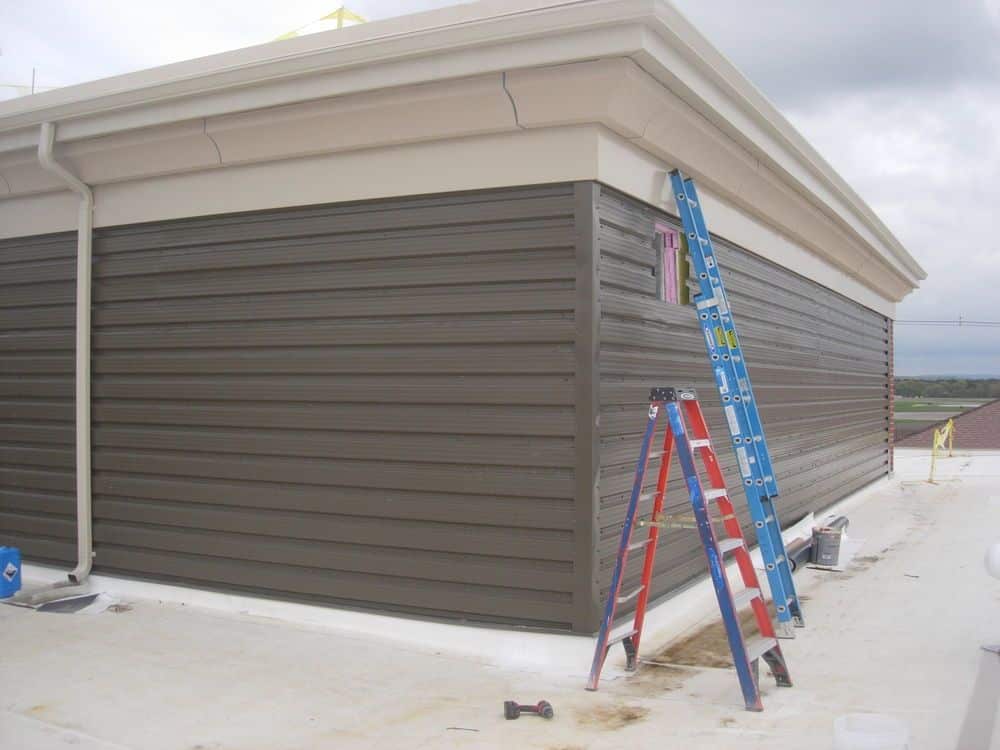
- Metal Siding (e.g., Steel)
- Pros: Extremely durable, resistant to fire, rot, and insects. Offers a modern, sleek aesthetic. Low maintenance.
- Cons: Can be expensive, and some types may dent.
When making your choice, we recommend considering the longevity and climate resilience of the material. For homes in Massachusetts and Southern New Hampshire, materials that stand up well to moisture, cold, and fluctuating temperatures will provide the best long-term value.
| Siding Material | Durability Rating (1-5, 5=highest) | Maintenance Requirements | Aesthetic Style |
|---|---|---|---|
| Vinyl | 3 | Low (cleaning) | Versatile |
| Fiber Cement | 5 | Low-Moderate (repainting) | Versatile |
| Wood | 3 | High (painting/staining) | Traditional |
| Brick/Stone | 5 | Very Low | Classic, Rustic |
| Aluminum | 3 | Low (cleaning) | Modern |
| Canexel | 4 | Low (cleaning) | Wood-look |
| Metal | 4 | Low (cleaning) | Modern |
How to Vet Siding Contractors Near Me
Finding reputable and qualified siding contractors near me in Massachusetts and Southern New Hampshire requires a bit of detective work, but it’s well worth the effort. The goal is to ensure you’re hiring a professional who will deliver quality workmanship and stand behind their services.
Here’s what we suggest you look for:
- Licensing and Insurance: This is non-negotiable. Siding contractors should carry liability insurance to cover any accidental damage to your property, and workers’ compensation insurance to protect their employees in case of injury. Unlicensed contractors often cannot secure necessary permits, which can lead to legal issues and invalidate your home insurance. Always ask for proof of current licensing and insurance.
- BBB Rating and Accreditation: The Better Business Bureau (BBB) is a valuable resource. Businesses that adhere to BBB Accreditation Standards and BBB Standards for Trust are typically more reliable. We encourage you to check the BBB rating for any potential siding contractors near me. Ratings range from A+ to F, with ‘NR’ indicating insufficient information. You can find accredited businesses and read reviews on the Better Business Bureau website.
- Customer Reviews and References: Look for verified customer testimonials on platforms like Angi, Houzz, and Google. Pay attention to consistent themes in reviews, both positive and negative. A good contractor should also be able to provide you with references from past clients who had similar jobs completed. This allows you to directly ask about their experience, communication, adherence to timelines, and quality of work. You can find local pros with reviews on Angi.
- Experience and Portfolio: Inquire about how long the contractor has been in business and how many projects similar to yours they have completed. Reputable companies often maintain portfolios of their work. Viewing these examples, especially those involving the siding materials you’re considering, can give you insight into their craftsmanship and whether their style aligns with your vision.
- Manufacturer Certifications: Some manufacturers, like James Hardie, Malarkey, or Owens Corning, offer certifications for contractors who demonstrate expertise in installing their specific products. These certifications often indicate a higher level of training and commitment to quality installation.
Questions to Ask Siding Contractors Near Me
Before hiring any siding contractors near me, having a list of key questions prepared can save you a lot of headaches down the road. These questions help clarify expectations and ensure you’re making an informed decision:
- “How long have you been in the business?” Longevity often indicates a deeper understanding of various siding materials and their ability to deliver quality installation, maintenance, and repair services.
- “How many projects like mine have you completed, and may I see examples?” It’s crucial that your siding contractor has ample experience with projects similar to yours, whether it’s installing vinyl siding, repairing wood siding, or working with other materials.
- “Who will be working on the project? Are the workers employees or subcontractors?” Understanding who will be on-site is critical. Clarifying if workers are employees or subcontractors can affect accountability and insurance. If subcontractors are used, inquire about their qualifications and insurance under the company’s policy.
- “Can you provide me with references?” This allows you to directly gauge past clients’ satisfaction with their siding projects.
- “How do you charge, and can you give me a written, itemized estimate?” Clarity on the payment structure (e.g., per square foot, by phase) and what charges include (labor, materials, additional costs) is essential. A written estimate should detail all aspects of the project, including materials, labor, and any potential additional fees, serving as a foundational piece of your agreement.
- “Do you offer a warranty, and what does it cover (materials and labor)?” A reputable contractor will often provide a warranty covering both materials and labor, ensuring issues within a specified period are addressed without additional costs. We’ll dive deeper into warranties shortly.
- “When can this job get done? What is the typical project timeline?” Knowing the project’s start and expected completion dates helps manage expectations and planning.
- “What happens when the cost exceeds the budget, or if there are changes to materials or labor pricing?” Discuss how unexpected expenses are handled. The best companies will communicate potential cost overruns early and discuss options.
- “Who is responsible for debris and waste created by the project?” Ensure the contractor handles all cleanup and disposal.
- “How will you protect my landscaping during installation?” A professional contractor will have protocols in place to minimize disruption to your property.
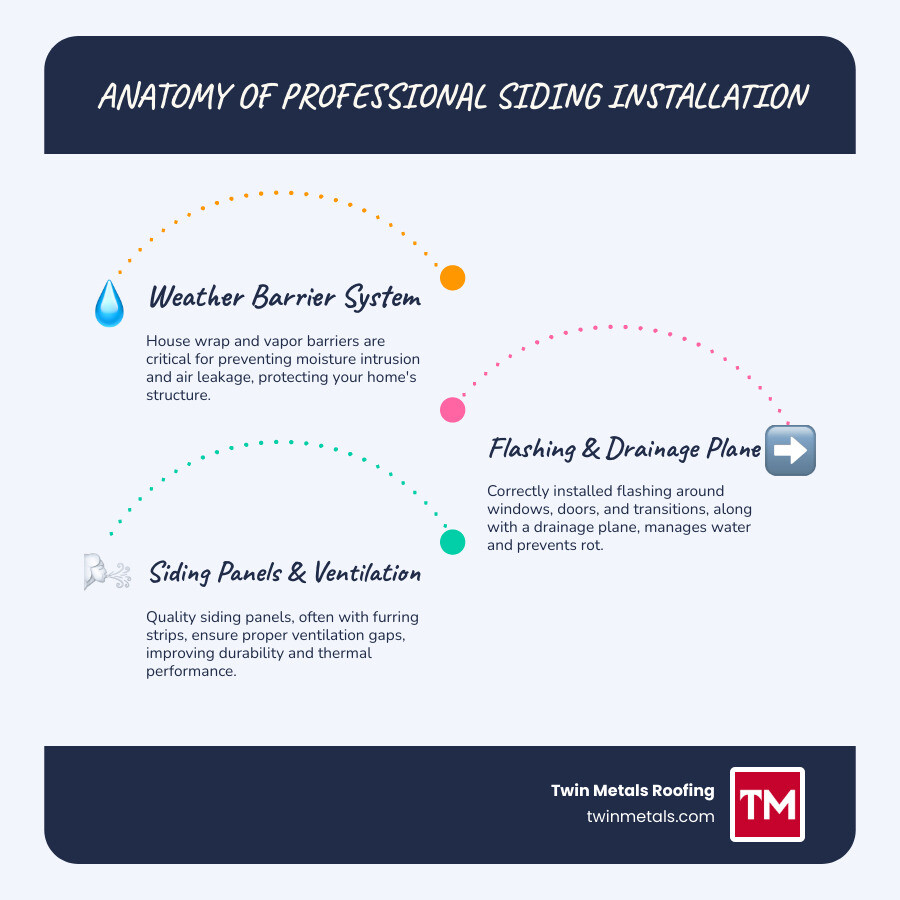
- “What steps do you take to ensure proper insulation and moisture barriers?” This speaks to their understanding of proper installation techniques and building science, which is vital for our climate.
- “Are there any important considerations or concerns you foresee with this project?” A professional contractor will assess the project and highlight potential challenges, such as the need for additional structural support or dealing with mold, to help mitigate surprises.
Why Local Expertise Matters for Siding Contractors Near Me
When searching for siding contractors near me in Massachusetts and Southern New Hampshire, local expertise is invaluable. Our unique climate presents specific challenges, from heavy snow and ice to fluctuating temperatures and humidity.
A local contractor will:
- Understand Climate Considerations: They are familiar with how different siding materials perform against New England’s harsh winters, humid summers, and the freeze-thaw cycles that can stress exterior building materials. They can recommend options best suited for longevity in our region.
- Be Knowledgeable About Local Building Codes and Permit Requirements: Siding projects often require permits and must comply with local building codes. A local contractor will be well-versed in the regulations specific to towns and cities across MA and NH, ensuring your project is compliant and avoids costly delays or rework.
- Appreciate Neighborhood Aesthetics: Local professionals often have a better sense of regional architectural styles and what materials and colors will best complement your home and neighborhood, enhancing curb appeal and potentially resale value.
Understanding Siding Installation Costs and Value
The cost of siding installation or replacement is a significant investment, but it’s one that can add immense value to your home. When evaluating siding contractors near me, it’s important to understand the factors that influence pricing and the long-term return on investment.
Note: Average siding replacement costs are approximately $11,450 based on publicly available internet data, with high-end custom projects ranging up to $40,000 or more depending on materials. These figures are not the Client’s actual pricing.
The overall cost of a siding project is influenced by several key factors:
- Material Pricing: As we discussed, the choice of siding material is often the largest expense. Vinyl is generally the most budget-friendly, while brick, stone, and some high-end fiber cement options can be considerably more expensive. For example, vinyl siding for a 2,000 sq ft house might range from $9,000 to $14,000, whereas wood siding could be $16,000 to $26,000, and brick or stone could range from $18,000 to $100,000 for the same size home.
- Labor Factors: The size and complexity of your home (e.g., number of stories, architectural details, obstacles like windows and doors) will affect labor costs. The removal of old siding also adds to the labor component. Given that Massachusetts and Southern New Hampshire often have higher labor rates compared to other regions, this can impact your total project cost.
- Additional Costs: These can include the cost of house wrap, insulation, trim, soffit, fascia, and any necessary repairs to the underlying structure found during the removal of old siding.
- Permits: Local permits are typically required for siding replacement, and these fees will be part of your overall project cost.
While the upfront cost can seem daunting, quality siding installation offers significant value:
- Improved Curb Appeal: New siding instantly revitalizes your home’s exterior, boosting its aesthetic appeal and making a strong first impression.
- Increased Home Value: A fresh, durable exterior is a major selling point and can significantly increase your home’s market value.
- Improved Energy Efficiency: This is where siding really shines. Quality siding installation, including proper insulation and a weather-resistant barrier, can reduce heating and cooling costs by 5-30%. This is particularly beneficial in our New England climate, where energy bills can be substantial.
- Protection and Longevity: New siding acts as a robust shield against moisture, pests, and severe weather, protecting your home’s structural integrity for decades.
Investing in quality siding is an investment in your home’s future, comfort, and financial well-being. We understand the importance of this investment and offer comprehensive solutions for your home’s exterior. You can learn more about our services here: Siding Contractors.
Signs Your Home Needs Siding Replacement
Your home’s siding works tirelessly to protect it from the elements. Over time, even the most durable materials can show signs of wear and tear. Recognizing these indicators early can help you decide when it’s time to call in siding contractors near me for repair or replacement.
Here are the key signs that your home’s siding might need attention:
- Warping, Buckling, or Cracking: This is a clear indicator that your siding is failing. Warping or buckling often occurs due to moisture infiltration or extreme temperature fluctuations, causing the material to lose its shape. Cracks can allow water to penetrate, leading to more severe issues underneath.
- Wood Rot or Fungal Growth: For wood siding, rot is a serious concern. Probe suspicious areas with a screwdriver; if the wood is soft and crumbles easily, you have rot. For any siding material, persistent mold, mildew, or algae growth often points to moisture problems that the siding isn’t adequately shedding.
- Fading or Deterioration: While some fading is normal over decades, significant color loss or material deterioration (like chalking on aluminum or fiber cement) means the siding’s protective coating is breaking down, leaving it vulnerable.
- Frequent Repainting: If you find yourself repainting your siding every few years, it’s a sign that the material is no longer holding paint effectively, or the underlying substrate is compromised. This is a costly, recurring expense that new siding can eliminate.
- Rising Energy Bills: Damaged or poorly insulated siding can lead to significant heat loss in winter and heat gain in summer. If your heating and cooling costs are inexplicably rising, your siding might be a culprit.
- Interior Wall Moisture or Peeling Paint: If you notice water stains, peeling paint, or mold on interior walls that share an exterior wall, it could be a sign that your siding is allowing moisture to penetrate your home’s envelope.
- Loose or Missing Sections: Strong winds and storms, common in New England, can rip off siding panels. Missing sections expose your home’s underlayment to direct weather, accelerating damage.
- Pest Infestations: Gaps or holes in siding can become entry points for insects, rodents, or birds seeking shelter, leading to infestations within your walls.
- Structural Integrity Concerns: If you see large gaps, bowing walls, or other structural issues that seem related to the exterior, your siding may not be doing its job of protecting the framework of your home.
Widespread issues across your home’s exterior generally indicate that a full siding replacement is the most cost-effective and protective solution, rather than piecemeal repairs.
Frequently Asked Questions
How does proper siding installation impact energy efficiency?
Proper siding installation significantly impacts your home’s energy efficiency by creating a robust barrier against external elements and air leakage. Here’s how:
- Thermal Barrier: Quality siding, especially when combined with insulation (like foam board or insulated vinyl siding), creates an effective thermal barrier that slows down heat transfer. This keeps your home warmer in winter and cooler in summer.
- Reduced Air Leakage: Professional installation includes careful sealing around windows, doors, and other penetrations, along with the use of house wrap and vapor barriers. This minimizes air infiltration and exfiltration, preventing drafts and reducing the workload on your HVAC system.
- Moisture Management: Siding systems are designed to shed water away from your home. By managing moisture effectively, proper installation prevents water from compromising your insulation’s R-value and causing structural damage that could lead to energy loss.
- Ventilation: Some siding systems incorporate ventilation to prevent moisture buildup behind the panels, which can degrade insulation and structural components.
A quality siding installation can reduce your heating and cooling costs by 5-30%, a substantial saving over the lifespan of your siding, especially in the variable climate of Massachusetts and Southern New Hampshire.
What kind of warranty should I expect for materials and labor?
When you work with reputable siding contractors near me, you should expect comprehensive warranty coverage for both the materials and the labor.
- Manufacturer’s Material Warranty: This warranty comes from the siding manufacturer and covers defects in the material itself. Coverage can vary widely, from 20 years for some vinyl products to a “lifetime” (often defined as the period the original purchaser owns the home) for high-end fiber cement or metal products. It’s crucial to understand what is covered (e.g., fading, warping, cracking) and for how long.
- Contractor’s Labor Warranty: This warranty, provided by your siding contractor, covers the quality of the installation. A standard labor warranty might range from 1 to 10 years, but many top-tier siding contractors near me will offer a more extensive labor guarantee, sometimes even matching the material warranty. This ensures that if issues arise due to improper installation, the contractor will rectify them at no additional cost.
Key things to look for in a warranty:
- Clear Coverage: What specific issues are covered by each warranty?
- Duration: How long does each warranty last?
- Transferability: Is the warranty transferable to a new homeowner if you sell your house? This can be a significant selling point.
- Exclusions: Read the fine print to understand what voids the warranty (e.g., improper maintenance, damage from other sources).
Always get both material and labor warranties in writing before any work begins.
What are the latest trends in siding materials and colors?
Siding trends are constantly evolving, blending aesthetics with performance. When considering siding contractors near me for your next project, you might encounter these popular trends:
- Bold Dark Hues: While traditional colors remain popular, there’s a growing trend towards dramatic, dark colors like charcoal gray, deep blue, forest green, and even black. These colors create a striking contrast and a modern, sophisticated look.
- Wood-Look Composites: Homeowners love the aesthetic of natural wood but often shy away from the maintenance. Wood-look fiber cement and vinyl siding offer the best of both worlds, providing realistic textures and grains without the need for frequent painting or staining.
- Vertical Board and Batten: Moving away from traditional horizontal siding, vertical installations, particularly board and batten styles, are gaining popularity. This design adds visual height and a distinct, modern farmhouse or contemporary aesthetic.
- Mixed Material Combinations: Instead of a single siding material, many homeowners are opting for a combination of two or three different materials. For example, stone veneer on the lower half of the home with fiber cement or vertical siding on the upper sections creates dynamic visual interest and unique curb appeal.
- Sustainable and Recycled Materials: With an increasing focus on environmental responsibility, sustainable siding options, including those made from recycled content or rapidly renewable resources, are becoming more sought after.
- Low-Maintenance Finishes: Homeowners in Massachusetts and Southern New Hampshire appreciate materials that require minimal upkeep due to our varied climate. Factory-applied finishes and durable composites that resist fading, cracking, and insect damage are highly desirable.
When choosing a trend, always consider how it will stand up to our local climate and complement your home’s architectural style for lasting appeal.
Conclusion
Finding the right siding contractors near me is a critical step in protecting and enhancing your home. By understanding the different materials available, knowing how to vet potential contractors, being aware of cost factors, and recognizing the signs of needed replacement, you can make an informed decision that adds lasting value and beauty to your property.
At Twin Roofing, a division of Twin Metals, Inc., we are committed to providing superior performance, quality materials, and exceptional customer service for all your exterior needs. We install asphalt roofs throughout Massachusetts and Southern New Hampshire, and we extend our commitment to quality to all aspects of your home’s exterior protection. Whether it’s siding, roofing, or gutters, we ensure your home is well-equipped to face the New England weather while looking its best.
For more information about our siding and gutter services, please visit: More info about siding and gutter services
Follow us on Facebook
Follow us on Instagram
The company services Berkshire County in Eastern Massachusetts and Southern New Hampshire.