Why Residential Flat Metal Roofs Are Growing in Popularity
A residential flat metal roof combines modern aesthetics with exceptional durability, making it an increasingly popular choice for homeowners in New England and beyond. Here’s what you need to know:
Quick Answer: Is a Residential Flat Metal Roof Right for You?
| Factor | Key Consideration |
|---|---|
| Lifespan | 50+ years with proper installation |
| Cost | Higher upfront ($9–$45/sq ft based on internet averages), lower lifetime cost |
| Best For | Modern designs, low-slope applications, coastal or extreme weather areas |
| Maintenance | Minimal—periodic inspections and debris removal |
| Energy Efficiency | Reflects solar heat, reduces cooling costs by 10–25% |
Unlike traditional asphalt shingles that wear out in 8–12 years under harsh weather, metal roofing stands up to wind, snow, salt air, and temperature swings. The system typically includes a structural deck, vapor barrier, insulation, and the exterior metal sheet—each layer working together to prevent leaks and maximize energy performance.
Why consider a flat metal roof? It offers longevity that can outlast your mortgage, requires almost no maintenance compared to shingles, and provides superior protection against fire (Class A rating) and extreme weather. Plus, it’s fully recyclable and can even lower your insurance premiums.
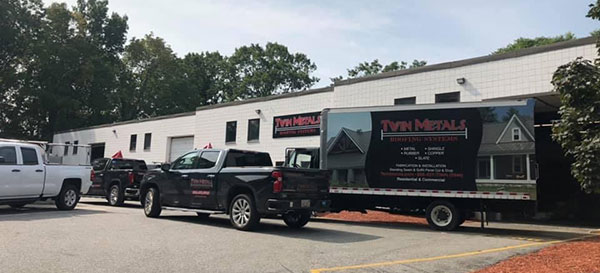
I’m Tom Gordon, owner of Twin Roofing, and I’ve spent nearly two decades installing high-performance roofing systems, including residential flat metal roofs, across Massachusetts and New Hampshire. My team and I focus on precision installation, durable materials, and results that last—especially for New England’s demanding climate.
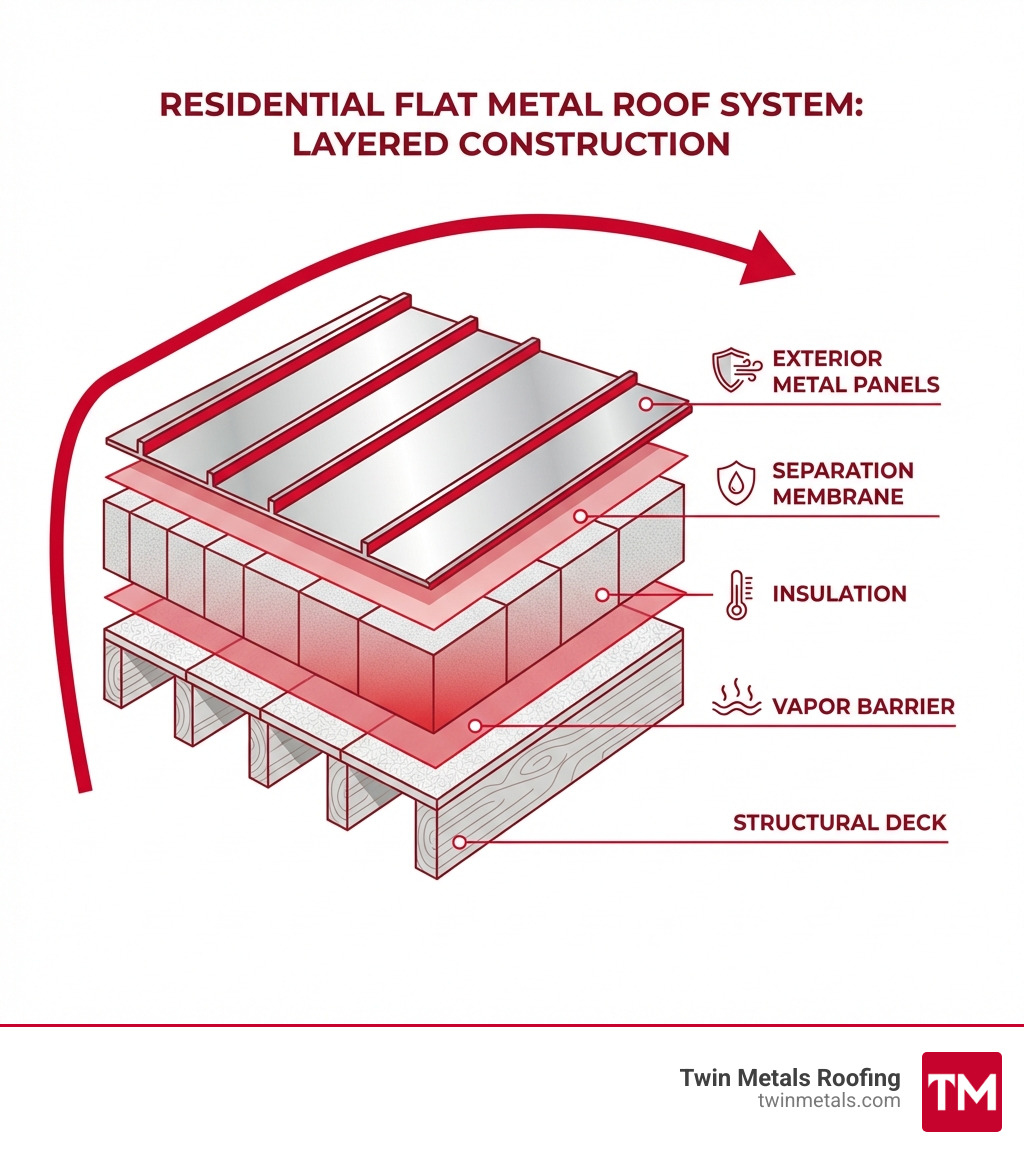
Handy residential flat metal roof terms:
The Core Benefits of a Residential Flat Metal Roof
When considering a roofing material for your home, especially for a low-slope or flat design, the benefits of a residential flat metal roof are compelling. We’ve seen how these roofs provide exceptional performance and value, making them a smart investment for homeowners in Massachusetts and New Hampshire.
One of the most significant advantages is their incredible lifespan. Metal roofs can last for 50 years or more, which is roughly triple the lifespan of an average shingle roof. In fact, steel roofs, a popular choice for metal roofing, are very durable and can withstand extreme climates and corrosion for over sixty years. A properly installed metal roof can often last the lifetime of your home, with some manufacturers offering warranties as long as 50 years. This longevity means less frequent replacements and long-term peace of mind. For more detailed information on the many benefits, explore our page on residential metal roofing benefits.
Energy efficiency is another standout benefit. Metal roofs reflect much more sunlight than traditional asphalt roofs, which can significantly reduce energy costs for cooling by 10-25%. Light-colored steel roofs, in particular, help reduce the roof’s overall heat absorption by reflecting solar heat, keeping homes cooler in the warmer months and lowering air conditioning expenses. This reflective quality is a key reason why many homeowners choose metal for its sustainable advantages.
Safety and environmental responsibility are also paramount. Metal roofs boast a Class A fire rating, meaning they are non-combustible and offer superior protection against fire hazards. This can be a crucial factor for homeowner safety and potentially lead to insurance premium discounts. From an environmental perspective, metal roofing is completely recyclable, and many manufacturers use recycled materials in their components, reducing waste and supporting sustainable building practices. Unlike asphalt shingles, which often end up in landfills, metal roofs contribute to a lower carbon footprint.
Furthermore, metal roofs are renowned for their resilience against the varied and often harsh weather conditions we experience in New England. They are designed to withstand strong winds, heavy snow loads, hail, and ice storms. The smooth surface of a metal roof allows snow and rain to slide off efficiently, reducing the risk of ice dams and water damage. This robust performance is critical for protecting your home year-round. For insights into how metal roofs perform under extreme conditions, including hurricane retrofitting, refer to this scientific guidance on metal roof performance.
Systems, Materials, and Installation Essentials
Installing a residential flat metal roof requires specialized knowledge and precision, especially given the unique challenges of low-slope applications. We understand that the choice of system, material, and the quality of installation are paramount to ensuring your roof performs optimally for decades.
For flat or low-slope residential applications, two primary types of metal roofing systems are commonly employed: standing seam and screw-down panels.
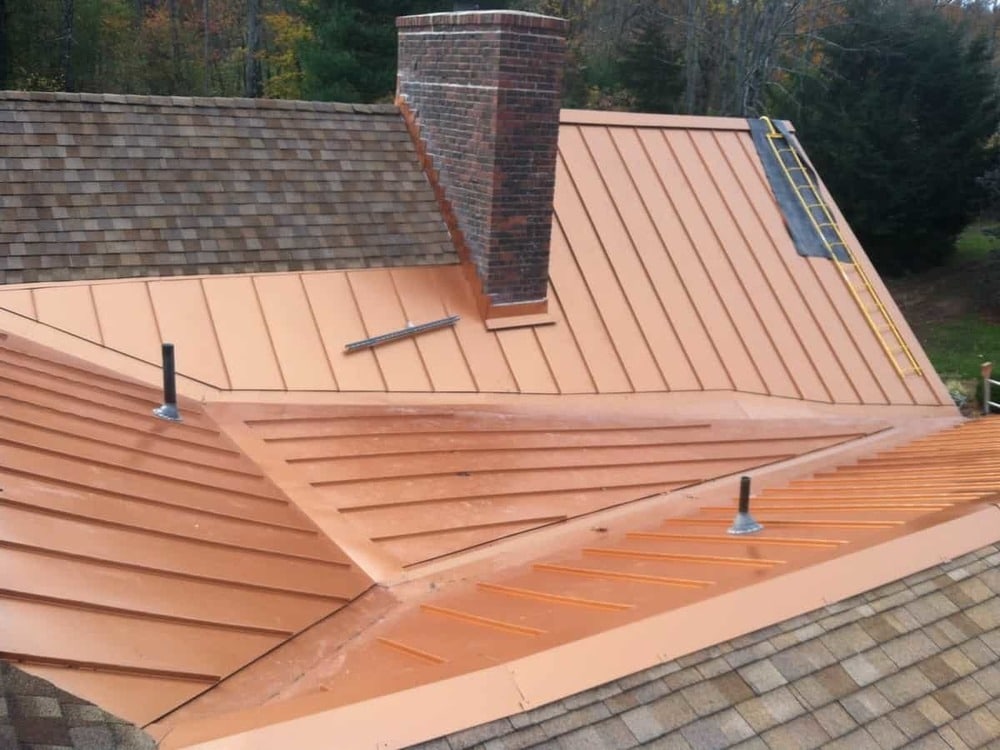
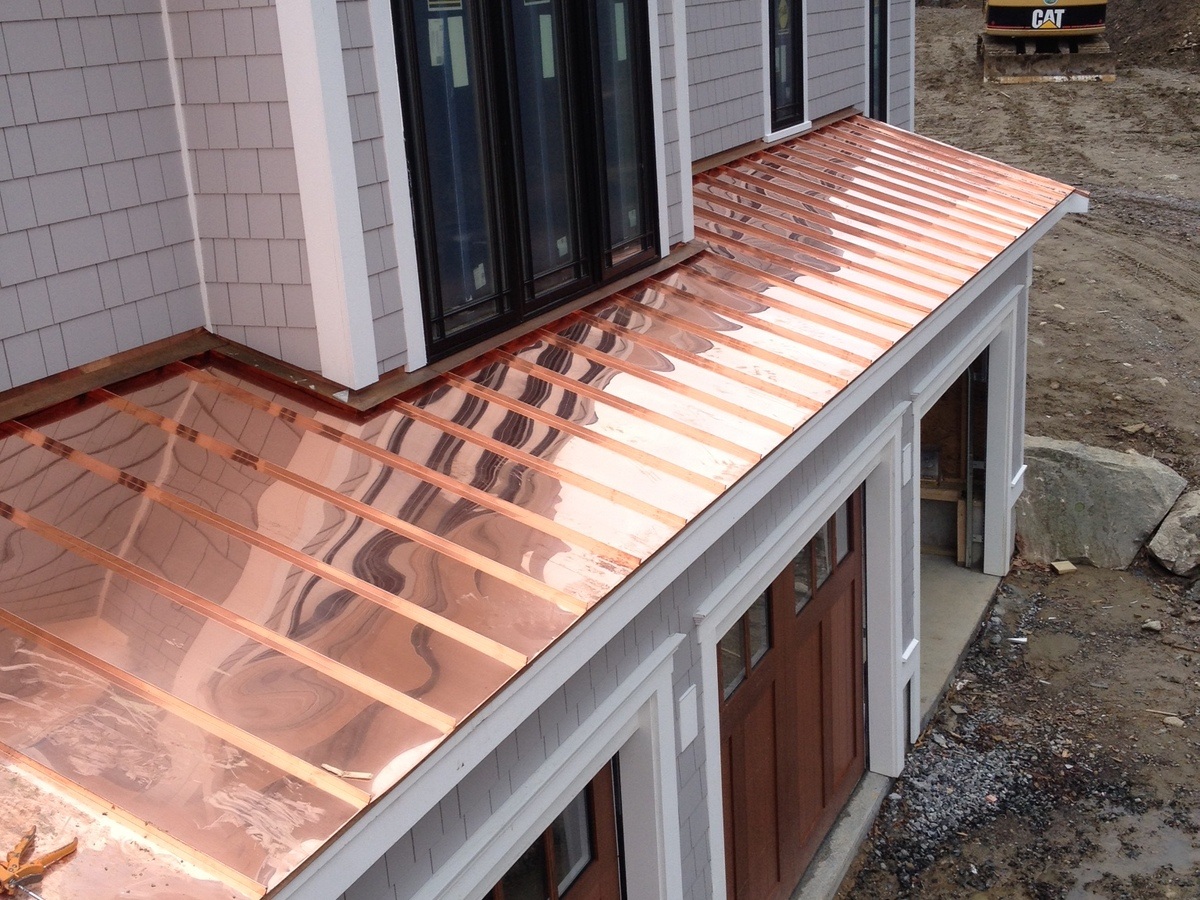
- Standing Seam Metal Roofs: This system features panels with raised interlocking seams that are crimped or snapped together, effectively concealing the fasteners. This design creates a continuous metal surface with minimal penetrations, significantly reducing the risk of leaks. It’s an ideal choice for low-slope roofs, sometimes suitable for pitches as low as 1 degree, because the concealed fasteners and raised seams prevent water from pooling or seeping through. The sleek lines also offer a modern, architectural aesthetic that homeowners often appreciate.
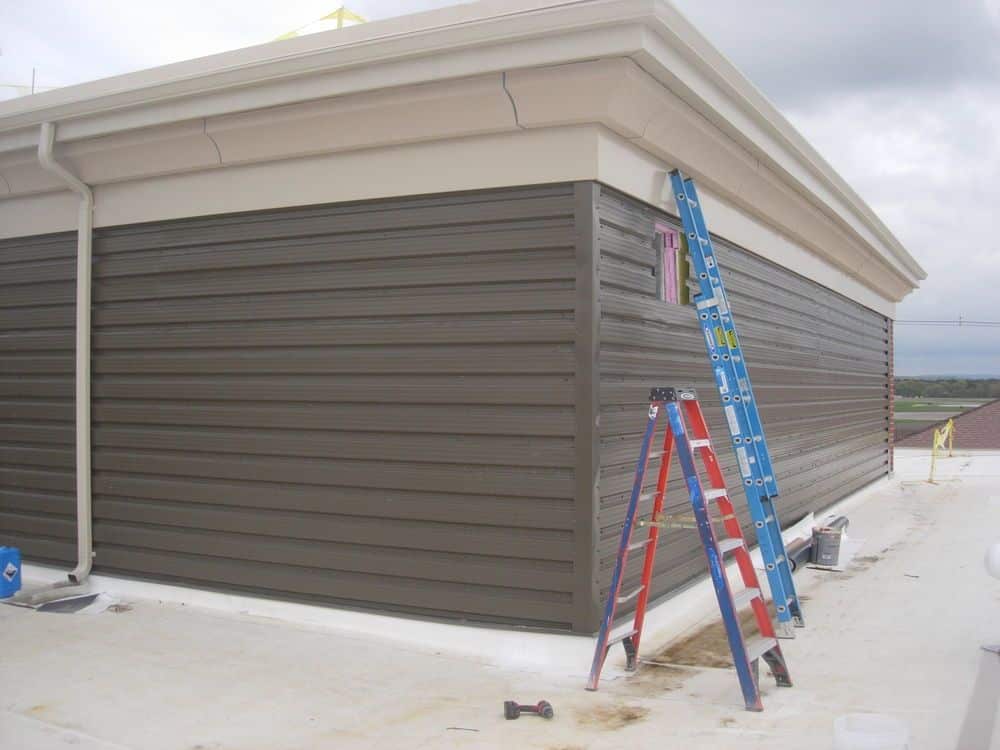
- Screw-Down Panels: Also known as exposed fastener panels, these are typically corrugated or ribbed sheets that are fastened directly through the face of the panel into the roof deck or purlins. While generally more economical upfront, they require careful installation to ensure watertightness, as the fasteners themselves are exposed to the elements. Regular checks of these fasteners are crucial to maintain integrity over time.

Proper installation extends beyond just the panels. Pitch requirements are critical for any roofing system, but especially for low-slope roofs. While “flat” is often used colloquially, most residential flat metal roofs still have a slight pitch to facilitate drainage. This minimal slope is essential to prevent standing water, which can lead to accelerated wear and potential leaks. Our installation process carefully addresses these pitch requirements to ensure efficient water runoff.
Effective drainage systems are non-negotiable for residential flat metal roofs. We ensure that gutters, downspouts, and internal drainage components are correctly sized and positioned to manage water flow, preventing accumulation that could compromise the roof’s integrity. Underlayment plays a crucial role as a secondary barrier, providing backup protection against water intrusion in the unlikely event that the primary metal panels are compromised. This multi-layered approach to waterproofing is a cornerstone of our installation philosophy.
For a deeper dive into the technical aspects of installing metal roofing sheets, including guidance on fixings and profiles, this technical guide on installing metal roofing sheets offers valuable insights. When considering a metal roof, it’s important to partner with experienced professionals who understand these nuances. Learn more about our comprehensive residential roofing services and how we can help you choose the right system for your home.
Material Options for a Residential Flat Metal Roof
The choice of metal material for your residential flat metal roof significantly impacts its performance, aesthetics, and cost. Each material brings a unique set of characteristics to the table:
- Galvanized Steel: This is one of the most popular and cost-effective options. Steel roofs are known for their exceptional durability, capable of withstanding extreme climates and corrosion for over sixty years. They are typically coated with a thick layer of zinc (often referred to as Z275 zinc coating, indicating 275g/m2 of zinc) on both sides to prevent rust. This coating provides robust protection, even if the surface is scratched. Steel is versatile, available in a wide array of colors and profiles, and offers an excellent return on investment over the roof’s lifetime. However, it does require adequate draining to prevent standing water, which can lead to corrosion over time if not managed properly.
- Aluminum: Lightweight, durable, and highly resistant to corrosion and rust, aluminum is an excellent choice, especially for coastal areas where salt exposure is a concern. It’s also fully recyclable, making it an environmentally friendly option. While generally more expensive than steel, it’s typically more affordable than copper. One consideration is that aluminum can be prone to denting and may not hold its original color as well as some other metals over long periods. It also experiences more thermal expansion and contraction than steel, which needs to be accommodated in the installation.
- Copper: For homeowners seeking a high-end, distinctive aesthetic, copper is unparalleled. It is incredibly durable, lasting for hundreds of years, and is very lightweight. Copper develops a beautiful green-blue patina over time, which many find highly desirable. However, it is significantly more expensive than other metal options, and the patina can lead to staining from runoff if not properly managed. Copper also expands and contracts with temperature changes, requiring careful installation techniques.
- Zinc: Zinc roofing offers exceptional longevity and a unique, self-healing patina that develops over time, providing a natural, neat finish. It’s highly resistant to corrosion and requires minimal maintenance. Like copper, zinc is a premium material with a higher upfront cost. It’s also known for its flexibility and ease of fabrication, allowing for intricate designs. However, it can react with certain other materials like bituminous membranes or some timber preservatives, necessitating careful material selection and separation during installation.
The right material for your residential flat metal roof will depend on your budget, aesthetic preferences, and the specific environmental conditions of your property in Massachusetts or New Hampshire. We work with you to weigh these factors and select the best option for your home.
Cost Analysis and Considerations
Understanding the cost of a residential flat metal roof is crucial for any homeowner. While the initial investment might be higher than traditional asphalt shingles, look at the long-term value and return on investment. Based on publicly available internet data, the average costs for metal roofing can range from approximately $9.00 to $45.00 per square foot, depending on the material, system type, complexity of the installation, and regional labor rates. Please note that these are average costs and do not reflect Twin Roofing’s specific pricing, which will vary based on your project’s unique details. We always provide transparent and detailed estimates.
When we consider the long-term return on investment (ROI), a residential flat metal roof often proves to be a more economical choice over its lifespan. With metal roofs lasting 50 years or more—three times longer than an average shingle roof—you avoid the significant costs of multiple re-roofs. This extended lifespan, combined with minimal maintenance requirements, means substantial savings over time. Steel roofs, for instance, are often cited as offering the best return on investment due to their durability and longevity.
Beyond the direct savings, there are other financial benefits to consider:
- Energy Efficiency: As discussed, metal roofs can reduce cooling costs by 10-25% due to their solar reflectivity. This translates to measurable savings on your monthly utility bills.
- Insurance Discounts: Many insurance companies offer discounts for homes with metal roofs because of their superior resistance to fire, hail, and high winds, which are common concerns in our region.
- Property Value: A high-quality residential flat metal roof significantly improves your home’s curb appeal and can increase its overall property value. Its modern aesthetic and proven durability are attractive to potential buyers, making it a valuable upgrade.
To help visualize the difference, here’s an estimated cost comparison table based on general internet data:
| Feature | Metal Roofing (e.g., Standing Seam) | Asphalt Shingles |
|---|---|---|
| Initial Cost | Higher ($9.00 – $45.00 per sq ft) | Lower ($3.00 – $8.00 per sq ft) |
| Lifespan | 50+ years, often lifetime of home | 15-30 years (8-12 years in harsh weather) |
| Durability | Excellent (wind, hail, fire, rot) | Moderate (prone to wind/hail damage) |
| Energy Savings | 10-25% reduction in cooling costs | Minimal |
| Maintenance | Low | Moderate to High (repairs, cleaning) |
| Recyclability | 100% recyclable | Not recyclable, ends up in landfills |
The long-term performance and durability are not just for residential homes. Even commercial properties benefit from the robust nature of metal roofing. You can find more information about this on our commercial metal roof performance page.
Investing in a residential flat metal roof is an investment in your home’s future, offering aesthetic appeal, superior protection, and long-term financial advantages.
Ensuring Longevity and Weather Resistance
The climate in Massachusetts and New Hampshire can be demanding, with heavy snowfalls, strong winds, and fluctuating temperatures. A residential flat metal roof is exceptionally well-suited to handle these conditions, ensuring long-term protection for your home.
Metal roofs are designed to withstand extreme weather. They are highly resistant to heavy rain, with their continuous panels and advanced seam technologies preventing water intrusion. In the face of heavy snow, the smooth surface of a metal roof allows snow to slide off efficiently, reducing the potential for excessive snow load and the formation of ice dams, which can be a significant problem with other roofing materials. For areas prone to deep snow, we often recommend installing snow retention systems, such as snow rails, above walkways and entry areas to ensure safety by preventing large sheets of snow from suddenly sliding off.
High winds are another common concern in our region. Metal roofs, especially standing seam systems with concealed fasteners, are engineered for superior wind uplift resistance. They are designed to withstand strong winds, hail, and even hurricane-force conditions, performing better than many other roofing types. While we don’t experience hurricanes directly in New England, the principles of wind resistance are vital for coastal properties and homes exposed to severe storms.
Rust is a common concern with metal, but modern residential flat metal roofs are equipped with advanced rust-resistant coatings. Materials like galvanized steel (with its Z275 zinc coating) and aluminum (with its natural corrosion resistance) are specifically designed for durability in various environments. These coatings protect the metal substrate, ensuring its longevity and maintaining its aesthetic appeal for decades.
A key indicator of a roof’s expected longevity and performance is its warranty. Many residential flat metal roof systems come with impressive warranties, often guaranteeing performance for 40 to 50 years, and sometimes even for the lifetime of the home. These warranties typically cover material defects and sometimes even labor, offering significant peace of mind. We work with reputable manufacturers to ensure that the products we install are backed by robust guarantees.
To truly ensure the longevity of your residential flat metal roof, professional inspections are vital. We recommend periodic inspections to identify any potential issues early, such as minor sealant degradation, fastener loosening (for exposed fastener systems), or debris buildup. Proactive maintenance helps catch small problems before they escalate, preserving the integrity and performance of your roof for its full intended lifespan.
Maintenance Best Practices for a Residential Flat Metal Roof
One of the most appealing aspects of a residential flat metal roof is its low maintenance requirements. However, “low maintenance” doesn’t mean “no maintenance.” A few simple best practices can help ensure your roof performs optimally for decades:
- Debris Removal and Gutter Cleaning: Regularly clear leaves, branches, and other debris from the roof surface and, crucially, from gutters and downspouts. Blocked gutters can cause water to back up onto the roof, leading to standing water and potential issues, especially on low-slope designs.
- Fastener Checks: For screw-down panel systems, periodically check exposed fasteners for tightness and signs of rust. Loose fasteners can be replaced with larger ones, or additional fasteners can be added if spacing is too wide. For standing seam roofs, while fasteners are largely concealed, it’s still wise to have a professional check the integrity of the seams and any exposed trim.
- Sealant Inspection: Inspect sealants around penetrations (such as vents, skylights, and chimneys) and at flashing points. Over time, sealants can degrade, requiring reapplication to maintain a watertight seal.
- Surface Cleaning: While metal roofs are generally self-cleaning with rain, occasional light cleaning can help remove dirt, pollen, and other residues that might accumulate. Always use a soft brush or low-pressure washer and avoid abrasive tools or harsh chemicals that could damage the protective coatings.
- Professional Inspections: We recommend scheduling professional roof inspections every few years. Our team can identify subtle issues that might be missed by an untrained eye, such as minor corrosion, seam separation, or flashing problems, and address them promptly.
By following these simple maintenance guidelines, you can significantly extend the life of your residential flat metal roof and protect your investment for many years to come.
Frequently Asked Questions
When considering a residential flat metal roof, homeowners often have specific questions. Here are some of the most common ones we encounter:
How long does a flat metal roof last?
A well-installed residential flat metal roof is one of the longest-lasting roofing options available. As we’ve discussed, they typically last 50 years or more, often outliving the home itself. This significantly surpasses the lifespan of traditional asphalt shingles, which may only last 15-30 years, and even less in harsh New England weather. The longevity means you likely won’t ever need to replace your roof again.
Is a metal roof noisy during rain?
This is a common misconception. While an improperly installed or uninsulated metal roof over an open attic space can be noisy during heavy rain or hail, a properly installed residential flat metal roof with adequate underlayment, insulation, and a solid roof deck is typically no louder than other roofing materials. In fact, many modern metal roofing systems are designed to minimize sound, and the insulation layers in your attic further dampen any noise.
Can you walk on a flat metal roof?
Yes, you can generally walk on a residential flat metal roof, but with caution. It’s important to know how to do so safely and without causing damage. Metal roofs can be slippery, especially when wet or icy, so proper footwear with good grip is essential. Additionally, walking directly on the raised seams of standing seam roofs, or on the flat panels themselves, can cause dents if not done carefully. For this reason, we always recommend that any significant roof access or maintenance be performed by experienced professionals who know how to steer the roof without causing damage.
Conclusion
Choosing a residential flat metal roof is a significant decision that offers unparalleled longevity, energy efficiency, and robust protection for your home in Massachusetts or New Hampshire. From its ability to withstand our challenging New England weather to its modern aesthetic appeal and environmental benefits, a metal roof is a smart, long-term investment.
At Twin Roofing, we pride ourselves on expert installation and using only quality materials to ensure superior performance and exceptional customer service. We specialize in tailoring roofing solutions to meet the unique needs of your home, whether it’s a sleek standing seam system or a durable screw-down panel roof. We also want to remind our valued customers that Twin Roofing installs asphalt roofs in MA and NH, offering a full range of residential roofing options to suit every home and budget.
If you’re considering a residential flat metal roof for your home, we invite you to experience the Twin Roofing difference. Our team is ready to guide you through every step of the process, from material selection to flawless installation, ensuring your home is protected for decades to come.
The company services Berkshire County in Eastern Massachusetts and Southern New Hampshire.
Request an estimate for a residential flat metal roof
Follow us on Facebook — https://www.facebook.com/twinmetalsroofing
Follow us on Instagram – https://www.instagram.com/twinmetals/