
Why Commercial Flat Roofing Systems Matter for Your Business
Flat roof commercial systems are the backbone of modern business infrastructure, protecting warehouses, retail centers, and office complexes. These low-slope systems offer practical advantages like usable space for HVAC equipment or solar panels, easier installation on large footprints, and lower upfront costs compared to steep-sloped alternatives.
Quick Answer: What You Need to Know About Commercial Flat Roofs
- Most Popular Materials: TPO (40% market share), EPDM (26%), and PVC lead the industry.
- Average Costs: $8.00 to $36.00 per square foot based on publicly available internet data, not our actual pricing. Premium systems sit at the high end.
- Expected Lifespan: 15-30 years for single-ply membranes; 40-70 years for metal systems.
- Key Benefits: Energy efficiency, additional usable space, and easier maintenance access.
- Critical Considerations: Proper drainage, material durability, and regional climate demands.
The right system can slash HVAC costs by 15-25%. Modern commercial flat roofs aren’t actually flat; they have a slight slope (typically up to 10 degrees) to ensure water drainage. Materials like TPO reflect up to 85% of solar heat, while PVC offers chemical resistance for industrial use.
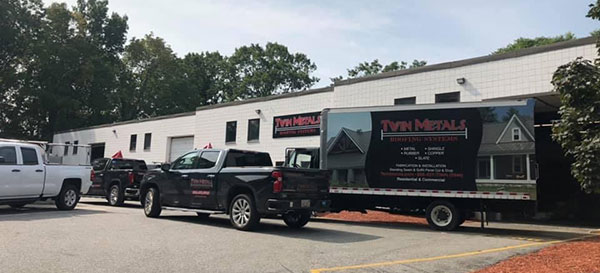
I’m Tom Gordon, owner of Twin Roofing. Over nearly two decades, I’ve seen how the right flat roof commercial system transforms a building’s performance. Twin Metals has delivered high-performance roofing across Massachusetts and New Hampshire since 2007, matching systems to specific needs rather than just selling the most expensive option.
Understanding the Best Flat Roof Commercial Systems
In Massachusetts and Southern New Hampshire, flat roof commercial systems dominate the landscape. This is a strategic choice driven by practical benefits. One significant advantage is usable space. Unlike steep roofs, low-slope designs allow for solar energy generation, rooftop gardens, or easy access for HVAC maintenance.
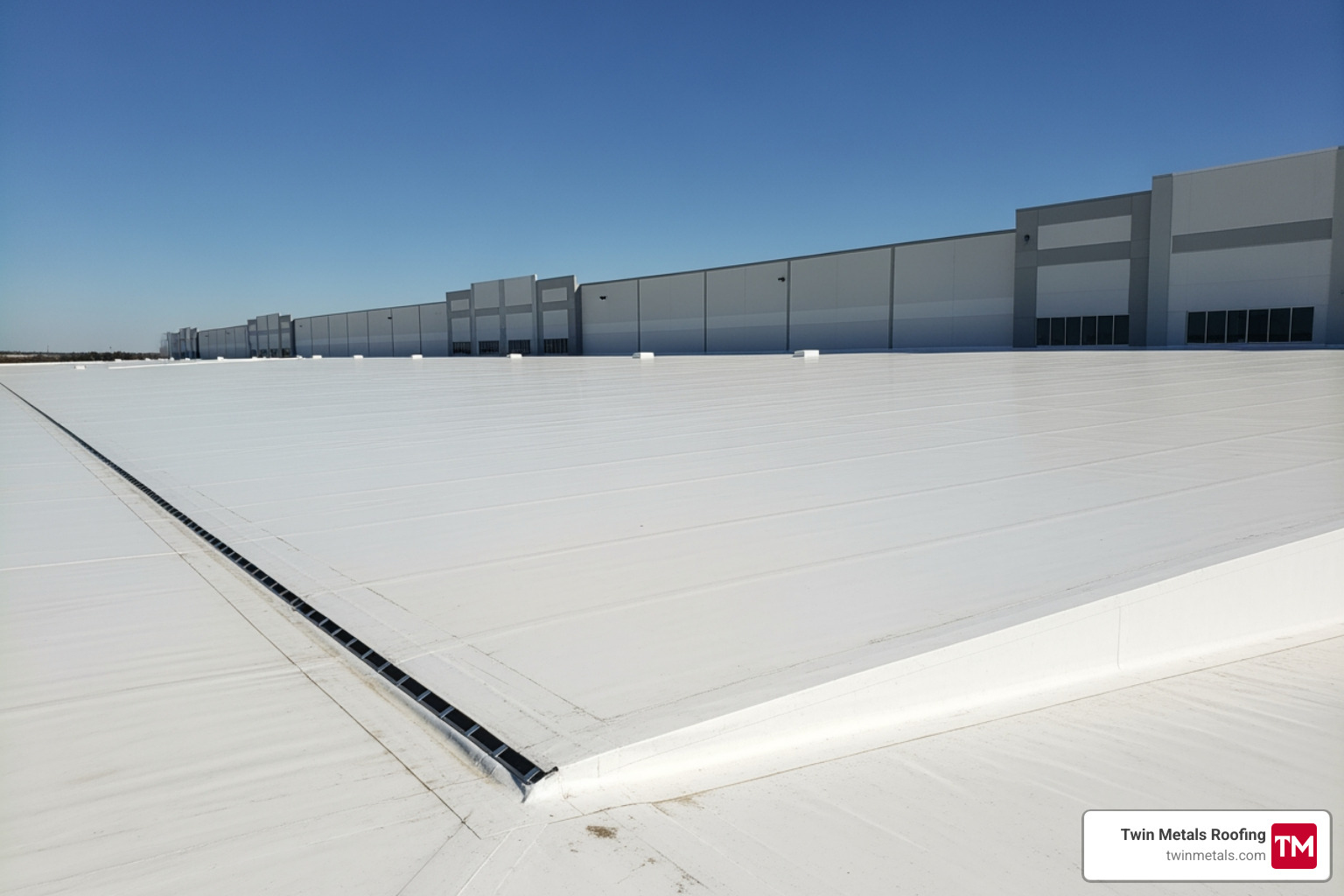
These roofs are durable and often easier to install on large buildings, translating to labor savings. However, “flat” is a misnomer. These are “low-slope” systems with a pitch (usually 1/4 inch to 3 inches per foot) to prevent water ponding. Effective drainage is vital in New England to handle heavy rain and snowmelt. For more details, visit our Commercial Roofing Services page.
Choosing the Right Material for Your Flat Roof Commercial
Selecting the ideal material balances cost, performance, and climate challenges:
- TPO (Thermoplastic Polyolefin): A market leader with a 40% share in new construction. Its reflective surface can reflect 85% of solar heat, significantly reducing cooling costs.
- EPDM (Ethylene Propylene Diene Monomer): Known as “rubber roofing,” it captures 26% of the reroofing market. It is highly resistant to UV radiation and the extreme temperature shifts of New England.
- PVC (Polyvinyl Chloride): Renowned for chemical and fire resistance, PVC is ideal for industrial facilities. Its reflective surface also aids energy efficiency. Learn more at the Cool Roof Rating Council.
- Modified Bitumen: An evolution of asphalt roofs using plastic or rubber modifiers for flexibility. It is often installed in multiple layers for high-traffic areas.
- Built-Up Roofing (BUR): A time-tested system using layers of asphalt and fabric topped with gravel. It offers exceptional strength and fire resistance.
Maintenance Best Practices for a Flat Roof Commercial
Proactive maintenance extends the life of your investment:
- Regular Inspections: Conduct visual checks twice a year (spring and fall) and after major storms. Focus on seams and flashings.
- Debris Removal: Leaves and branches can clog drains, leading to ponding. Water standing for over 48 hours can degrade materials and void warranties.
- Drainage Upkeep: Ensure gutters and internal drains are clear. Monthly checks are advised during heavy precipitation seasons.
- Seam Integrity: Check for lifting or separation in single-ply membranes caused by thermal expansion.
- Professional Assessments: Technicians can use infrared thermography to find hidden moisture. For rubber roof care, see our Commercial Rubber Roofing page.
Comparing Popular Commercial Flat Roofing Materials
Choosing a flat roof commercial material involves weighing upfront costs against long-term durability. Average costs range from $8.00 to $36.00 per square foot based on publicly available internet data, not our actual pricing. Lifespans range from 15 to over 70 years.
| Material Type | Average Cost (per sq. ft.)* | Expected Lifespan (Years) | Key Durability Factors |
|---|---|---|---|
| TPO | $4.00 – $8.00 | 15 – 25 | Reflective, UV resistant, heat-welded seams |
| PVC | $6.00 – $12.00 | 20 – 30 | Chemical/fire resistant, high puncture resistance |
| EPDM (Rubber) | $4.50 – $10.00 | 20 – 30 | Temperature tolerant, flexible, easy to repair |
| Built-Up Roofing | $7.00 – $12.00 | 20 – 30 | Multi-layer protection, time-tested |
| Modified Bitumen | $9.00 – $14.00 | 20 – 25 | Flexible, good for foot traffic |
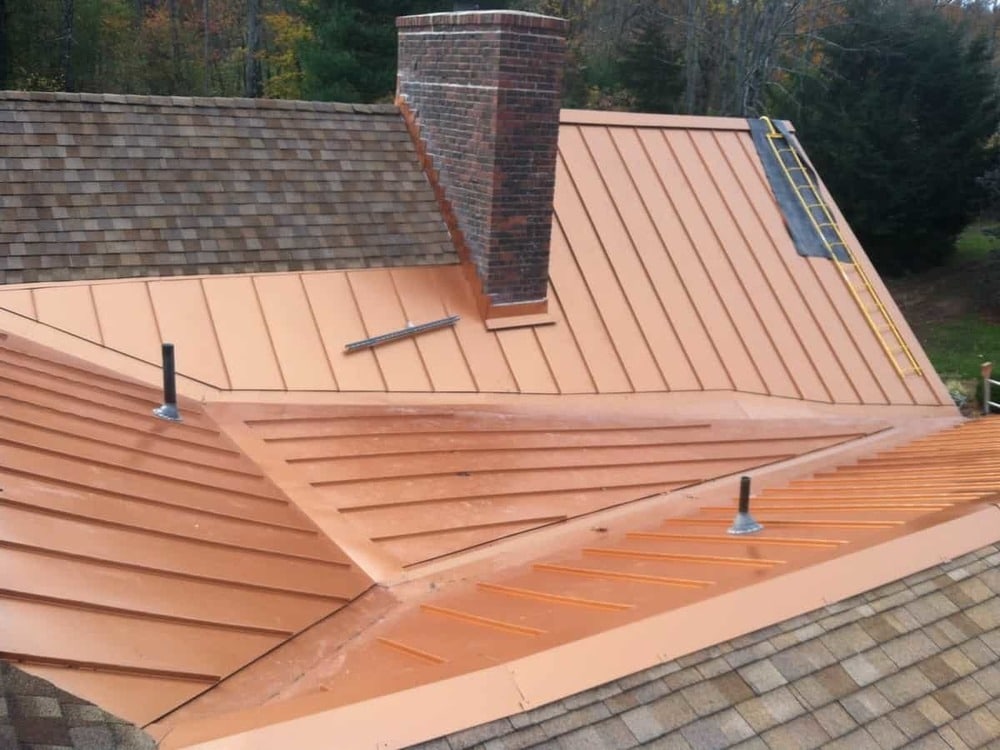
| Metal (Standing Seam) | $10.00 – $16.00 | 40 – 70+ | Exceptional longevity, low maintenance |
*Note: Average costs based on publicly available internet data, not our actual pricing. For metal options, visit our Commercial Metal Roofs page.
Thermoplastic Membranes: TPO and PVC
Thermoplastic membranes are popular for energy efficiency. TPO is a favorite for warehouses due to its solar reflectivity, which can reflect 85% of heat. Its heat-welded seams are significantly stronger than chemically bonded alternatives. PVC is a premium choice for demanding environments, offering superior resistance to chemicals and punctures. Both systems provide excellent waterproofing and help regulate building temperatures during New England summers.
Thermoset and Asphalt Systems: EPDM and BUR
EPDM is a thermoset rubber membrane known for remarkable temperature tolerance, remaining flexible in freezing winters and hot summers. Built-Up Roofing (BUR) uses multiple layers of asphalt and fabric for robust protection against foot traffic and punctures. Modified Bitumen acts as a hybrid, combining BUR’s strength with the elasticity of single-ply membranes. For market trends, consult the National Roofing Contractors Association (NRCA).
Economic Benefits of Section-by-Section Flat Roof Repairs
A full flat roof commercial replacement can be a massive financial burden. Section-by-section repairs offer a strategic alternative. Because many systems use modular membrane sheets, damaged areas can often be isolated and repaired without disturbing the entire roof.
Managing Upfront Costs and Budgeting
Sectional repairs provide several financial advantages:
- Avoid High Upfront Costs: Defer the expense of a full replacement to free up capital.
- Faster Scheduling: Localized repairs can be completed quickly, minimizing business downtime.
- Prioritize Urgency: Address active leaks immediately while planning for other areas later.
- Prevent Escalation: Fixing a small puncture prevents structural damage or mold growth.
- Predictable Budgeting: Smaller expenditures fit more easily into annual operating budgets.
This approach minimizes noise and traffic disruption. For comparisons, see our Commercial Shingle Roofs page.
Professional Expertise and Quality Workmanship
Professional expertise is essential for sectional work:
- System Knowledge: Professionals understand how different membranes react to the New England climate.
- Quality Materials: Experts use high-grade materials that integrate seamlessly with existing systems.
- Advanced Technology: Tools like specialized heat-welders ensure watertight repairs.
- Safety and Insurance: Reputable companies carry liability and workplace insurance, protecting you from financial risk during the project.
Key Considerations: Cost, Durability, and Maintenance
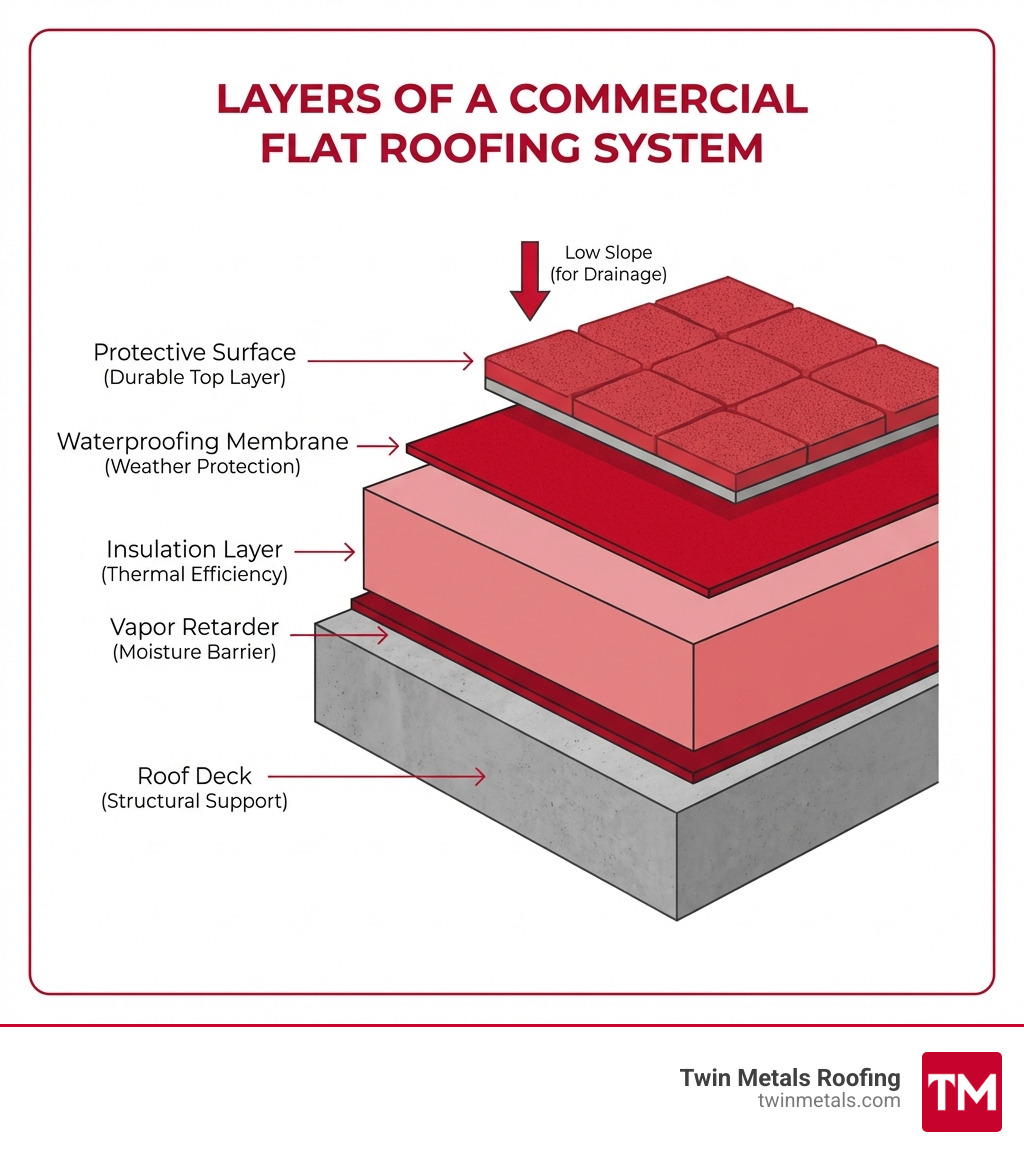
Your flat roof commercial system impacts long-term operational efficiency. Beyond the membrane, insulation and vapor retarders are critical. Insulation reduces HVAC strain, while vapor retarders prevent condensation that can destroy thermal resistance. Modern designs often use tapered insulation to direct water toward drains, preventing ponding. For local insights, visit our Commercial Roofing in Peabody MA page.
Analyzing the True Cost of Ownership
The “true cost” includes the lifecycle, not just the initial bid. A cheap roof that lasts 15 years is more expensive than a quality system that lasts 30. Average costs range from $8.00 to $36.00 per square foot based on publicly available internet data, not our actual pricing. This range reflects differences in material quality and installation complexity. Investing in superior materials and expert installation upfront leads to long-term savings.
Durability and Environmental Impact
- Weather Resilience: Systems must withstand New England’s snow loads, high winds, and temperature swings.
- UV Resistance: TPO and PVC are designed to resist degradation from prolonged sun exposure.
- Sustainability: Metal roofing often contains recycled content and is 100% recyclable. Cool roofs reduce the urban heat island effect.
- Wind Uplift: Systems must meet local building codes to prevent damage during storms. Choosing climate-appropriate materials ensures your investment remains sound.
Safety and Compliance in Commercial Roofing
Safety is non-negotiable in flat roof commercial projects. Compliance protects people and property. For local information, see our Commercial Roofing in Waltham MA page.
Understanding Roofing Warranties
- Manufacturer vs. Contractor: Manufacturer warranties cover material defects; contractor warranties cover installation workmanship.
- No Dollar Limit (NDL): These cover the full cost of repair or replacement without capping the payout at the original price.
- Ponding Water: Ensure your warranty does not exclude damage from standing water.
- Transferability: A transferable warranty adds value if you sell the property.
Fire Prevention and Mitigation Strategies
Fire hazards are a concern with certain installation methods:
- Torch-Applied Risks: Using open flames over combustible wood decks is risky. The NRCA often recommends against this.
- Mitigation: We prioritize non-torch alternatives like PVC or TPO, which use hot-air welding. Some materials are inherently self-extinguishing or use graphite technology to retard flames. We adhere to strict safety protocols and local permit requirements to ensure every installation is compliant and safe.
Frequently Asked Questions about Flat Roof Commercial
When should I repair vs. replace my commercial flat roof?
Minor issues like small punctures or lifting seams can be fixed with sectional repairs. However, if there is widespread deterioration, persistent leaks, or the roof is over 20 years old, a full replacement is usually more economical. A professional assessment is the best way to decide.
What is the expected lifespan of different flat roofing materials?
- TPO: 15-25 years.
- PVC: 20-30 years.
- EPDM: 20-30 years.
- Modified Bitumen: 20-25 years.
- Built-Up Roofing: 20-30 years.
- Metal Roofing: 40-70+ years.
Lifespan depends heavily on installation quality and consistent maintenance.
How do flat roofs improve a building’s energy efficiency?
Flat roofs allow for continuous insulation layers that minimize thermal bridging. “Cool roof” materials like TPO and PVC reflect up to 85% of solar heat, potentially reducing HVAC costs by 15-25%. They also provide ideal surfaces for solar panel integration, allowing businesses to generate renewable energy.
Conclusion
Choosing a flat roof commercial system is a vital investment for business owners in Massachusetts and Southern New Hampshire. Whether you opt for TPO, EPDM, or PVC, the key is matching the material to your building’s specific needs and regional climate. At Twin Metals Roofing, we provide superior performance and quality materials to protect your assets for decades.
Twin Roofing, a division of Twin Metals, Inc., installs asphalt roofs in MA and NH. We specialize in professional roofing and gutter services across Berkshire County in Eastern Massachusetts and Southern New Hampshire.
Follow us on Facebook — https://www.facebook.com/twinmetalsroofing Follow us on Instagram – https://www.instagram.com/twinmetals/