Understanding Local Roofers: What You Need to Know
Finding local roofers in the area can feel overwhelming when your home’s protection is on the line. Whether you’re facing a leak, planning a replacement, or just want to understand your options, knowing what separates a qualified professional from the rest is crucial.
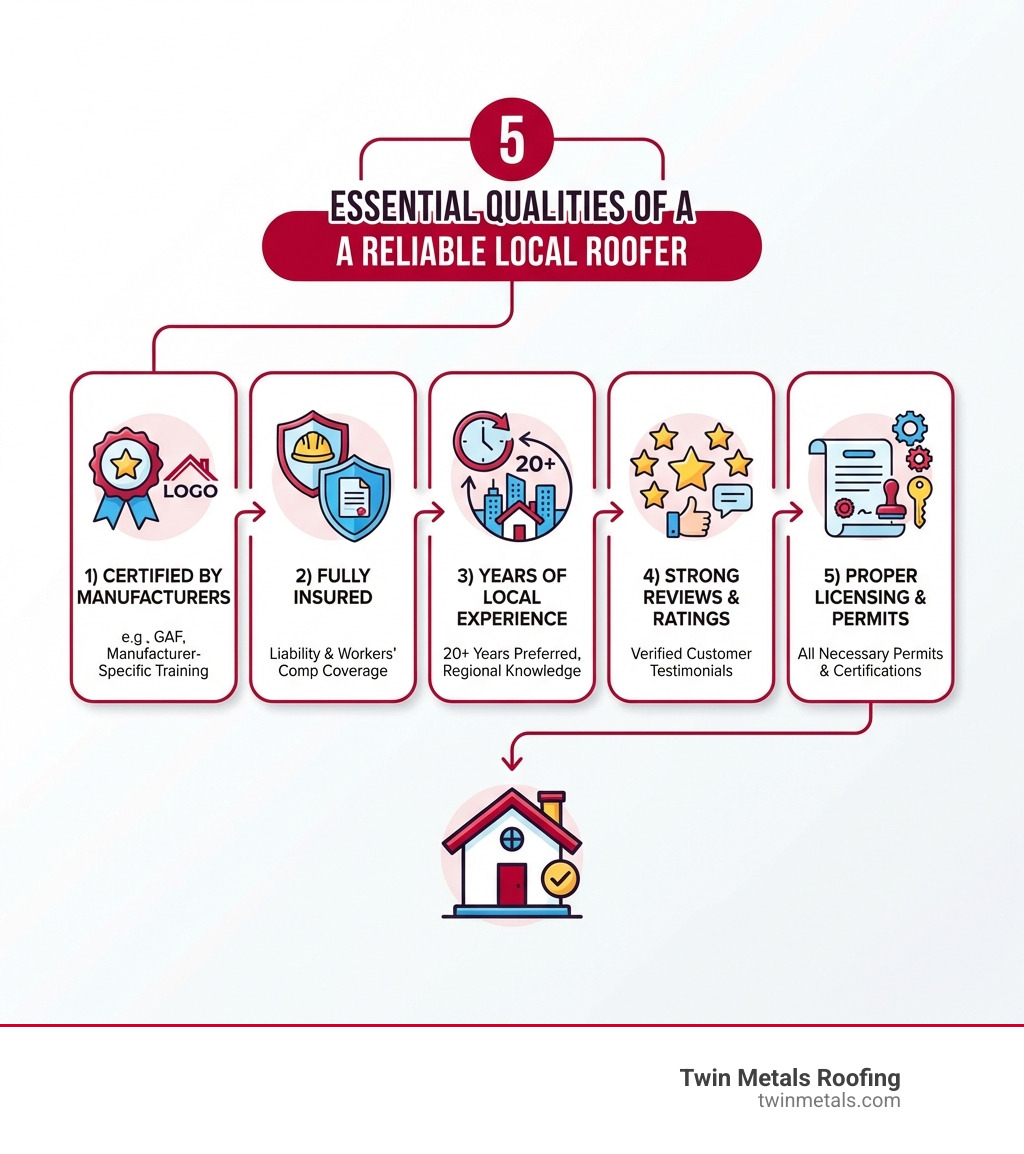
Key Qualities of Reliable Local Roofers:
- Certified & Trained – Look for GAF-certified contractors or manufacturer-specific training
- Properly Insured – Both liability insurance and worker’s compensation coverage
- Experienced Locally – Familiar with regional climate challenges like ice dams and heavy snow
- Strong Reviews – Verified customer testimonials and ratings (average 4.6-4.9/5 stars)
- Licensed & Bonded – All necessary permits and certifications in place
Your roof is more than just shelter. It’s your home’s primary line of defense against harsh New England weather—from heavy winter snowfall to summer heat and humidity. A properly maintained asphalt shingle roof can last 15-25 years, but choosing the wrong contractor can cut that lifespan short and cost you thousands in repairs.
The good news? Most roofing projects can be completed in just 1-3 days when you hire the right team. But with so many options available—from union roofers with standardized apprenticeship programs to independent contractors offering flexible pricing—how do you make the right choice?
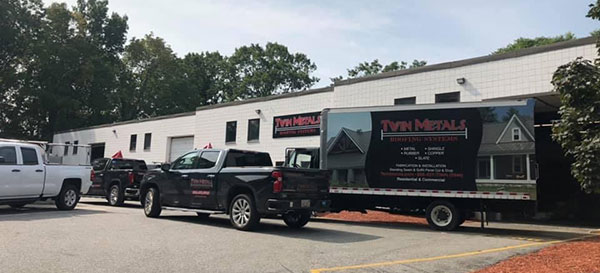
Twin Roofing installs asphalt roofs in MA and NH, serving homeowners throughout Berkshire County in Eastern Massachusetts and Southern New Hampshire. We understand the unique challenges of roofing in this region, from ice dam prevention to selecting materials that withstand dramatic temperature swings.
This guide will walk you through everything you need to know about hiring local roofers, understanding the difference between union and non-union contractors, navigating regional roofing challenges, and getting fair pricing for your project.
The Hallmarks of a Qualified Local Roofer
When it comes to protecting your home, the roof is arguably the most critical component. Entrusting its care to just anyone can lead to costly mistakes down the road. That’s why understanding the key hallmarks of a qualified local roofer in the area is so important. We’re looking for expertise, reliability, and peace of mind.
Experience and Longevity
Experience truly matters in roofing. A company that has stood the test of time has likely encountered and successfully resolved a wide array of roofing challenges. Many reputable roofing contractors boast decades of service, with some even operating for over 40 years, demonstrating a deep understanding of their craft and commitment to their communities. Longevity often translates into a stable workforce, established relationships with suppliers, and a proven track record of customer satisfaction. When we choose a roofer with a long history, we’re not just hiring someone to fix a roof; we’re investing in a legacy of quality.
Certifications and Training
In the rapidly evolving world of construction, continuous learning and certification are vital. We always recommend working with roofers who are certified by leading manufacturers, such as GAF. These certifications aren’t just badges; they indicate that the contractors have undergone rigorous training directly from the manufacturer on the proper installation techniques for their products. This ensures that the materials are installed correctly, maximizing their lifespan and often qualifying your roof for improved manufacturer warranties. Our expertise extends to a variety of residential roofing solutions, including Residential Shingle Roofing, ensuring that our team is always up-to-date with the latest best practices.
Insurance and Licensing
This is a non-negotiable aspect of hiring a qualified roofer. A reputable contractor should carry comprehensive liability insurance, which protects your property in case of accidental damage during the project. Equally important is worker’s compensation insurance, which covers any injuries sustained by the roofing crew on your property. Without these, you could be held financially responsible for accidents. All professional local roofers in the area should be properly licensed by the state to perform roofing work. For instance, reputable contractors often carry at least $2 million in liability insurance, offering significant peace of mind. Always ask for proof of current insurance certificates and licensing before any work begins.
Local Reputation
Word-of-mouth and online reviews are powerful indicators of a roofer’s standing in the community. We encourage homeowners to look for contractors with consistently high ratings, such as those averaging 4.6 to 4.9 stars out of 5 across numerous reviews. These testimonials often provide valuable insights into a company’s professionalism, quality of work, and customer service. Sites like the Better Business Bureau (BBB) are excellent resources for checking a roofer’s profile, accreditation, and any past complaints. We pride ourselves on the positive feedback we receive, and we invite you to Read Reviews from our satisfied customers. Furthermore, understanding the importance of consumer protection, you can always check a business’s standing with organizations like the BBB EU Privacy Shield independent dispute resolution program for general business practices, though for local services, checking regional BBB profiles is often more direct.
Union vs. Non-Union: What’s the Difference for Homeowners?
When you’re looking to hire local roofers in the area, you might encounter the terms “union” and “non-union” contractors. While both can provide excellent service, understanding the distinctions can help you make an informed decision based on your priorities for a project.
Defining Union Roofers
Union roofers are members of organized labor unions. These unions typically operate apprenticeship programs that provide extensive, standardized training. Apprenticeships often involve thousands of hours of on-the-job training combined with classroom instruction, ensuring a high level of skill and adherence to specific industry standards. Union contractors generally operate under collective bargaining agreements, which establish wage rates, benefits, and working conditions for their employees. This often leads to a workforce with consistent training, a strong emphasis on safety protocols, and a commitment to quality craftsmanship.
Defining Non-Union Roofers
Non-union roofers, also known as “open shop” contractors, operate independently of labor unions. They hire workers directly and set their own wages, benefits, and training programs. This doesn’t mean non-union roofers are less skilled; many independent contractors have years of experience and may offer their own internal training or certifications. The primary difference lies in the formal structure of their workforce and how their labor is organized and compensated.
Potential Benefits of Hiring Union
One of the most significant advantages of hiring union roofers is the assurance of a high skill level. The rigorous apprenticeship programs mean that workers often possess a deep understanding of various roofing systems and installation techniques. There’s also a strong emphasis on safety standards, which can be a comfort to homeowners, knowing that the crew working on their property is well-versed in safe practices. This structured approach often results in consistent quality and reduced risk of errors.
Potential Benefits of Hiring Non-Union
Non-union contractors often offer more cost flexibility. Because they are not bound by union wage scales, they may be able to offer more competitive pricing for certain projects. This can be particularly appealing for homeowners on a tighter budget. Many non-union companies pride themselves on their agility and ability to adapt quickly to project demands, sometimes offering faster scheduling or more personalized service due to their smaller, more localized operations.
How to Choose
The choice between union and non-union ultimately depends on your project’s complexity and your budget considerations.
- Project Complexity: For highly specialized or large-scale commercial projects, the standardized expertise of union labor might be preferred. For typical residential roofing projects, both union and non-union contractors can provide excellent results, assuming they meet the other hallmarks of a qualified roofer (experience, certifications, insurance, reputation).
- Budget Considerations: If cost is a primary driver, exploring bids from well-vetted non-union contractors can sometimes yield more budget-friendly options. However, the lowest price isn’t always the best value. Quality, warranty, and peace of mind are priceless.
Regardless of whether you choose a union or non-union contractor, the most important thing is to ensure they are experienced, insured, licensed, and have a solid local reputation.
Navigating Roofing Challenges in Massachusetts and New Hampshire
Our homes in Massachusetts and Southern New Hampshire face a unique set of climatic challenges that directly impact the longevity and performance of our roofs. Understanding these regional factors is key to selecting the right materials and ensuring proper installation and maintenance.
Regional Climate Impact
The New England climate is notorious for its extremes and rapid fluctuations, putting significant stress on roofing materials.
- Heavy snowfall: Winters here can bring substantial snow accumulation, leading to immense weight on roofs. This weight, combined with freeze-thaw cycles, can contribute to ice dam formation. Ice dams occur when snow melts, runs down the roof, and refreezes at the colder eaves, creating a barrier that prevents further water drainage. This backed-up water can then seep under shingles and into your home, causing significant damage.
- Ice dams: Beyond just water intrusion, ice dams can physically damage gutters, fascia, and even the roof structure itself. Proper insulation, ventilation, and ice-and-water shield are crucial defenses against this common winter woe.
- Summer heat and humidity: Our summers, while beautiful, can be surprisingly harsh on roofs. Intense UV radiation and high temperatures can cause asphalt shingles to curl, crack, or blister, accelerating their degradation. The humidity also contributes to the growth of algae and moss, which can trap moisture and further shorten a roof’s lifespan.
- Fluctuating temperatures: The constant shift between freezing and thawing in winter, and hot days followed by cooler nights in other seasons, causes materials to expand and contract. This thermal cycling can weaken seals, loosen fasteners, and lead to premature failure of roofing components.
Common Roofing Materials
To combat these challenges, we often rely on durable and resilient roofing materials.
- Asphalt shingles: These remain the most common choice for residential roofing in our area due to their versatility, affordability, and proven performance. Modern asphalt shingles are designed to withstand harsh weather, offering good wind resistance and UV protection. They are a reliable option for many homes in MA and NH.
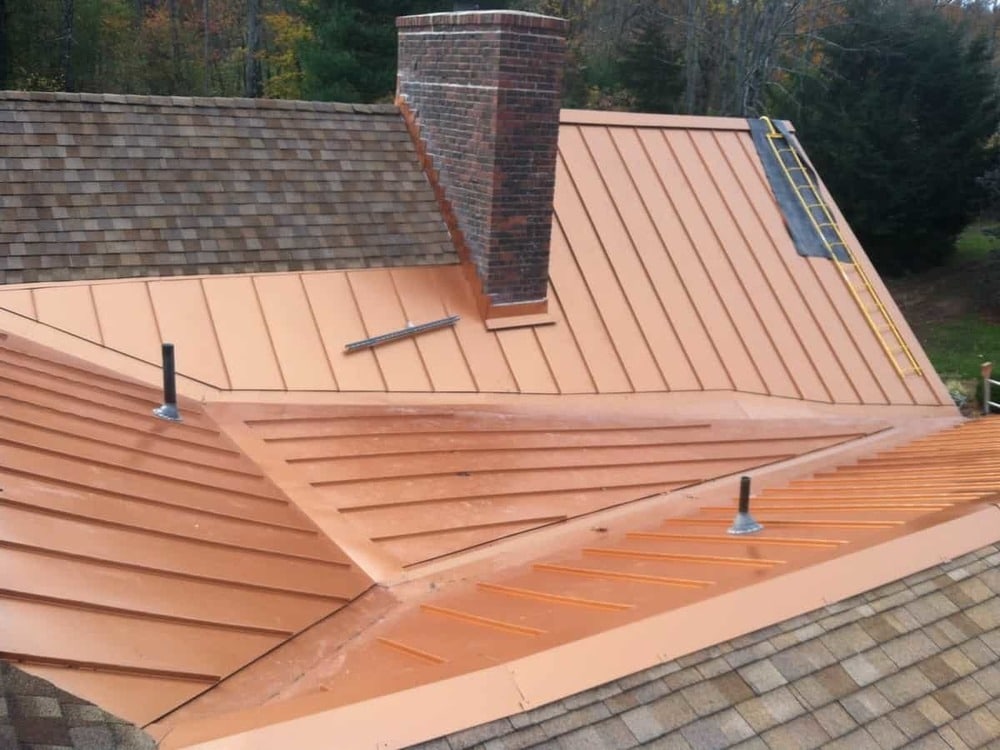
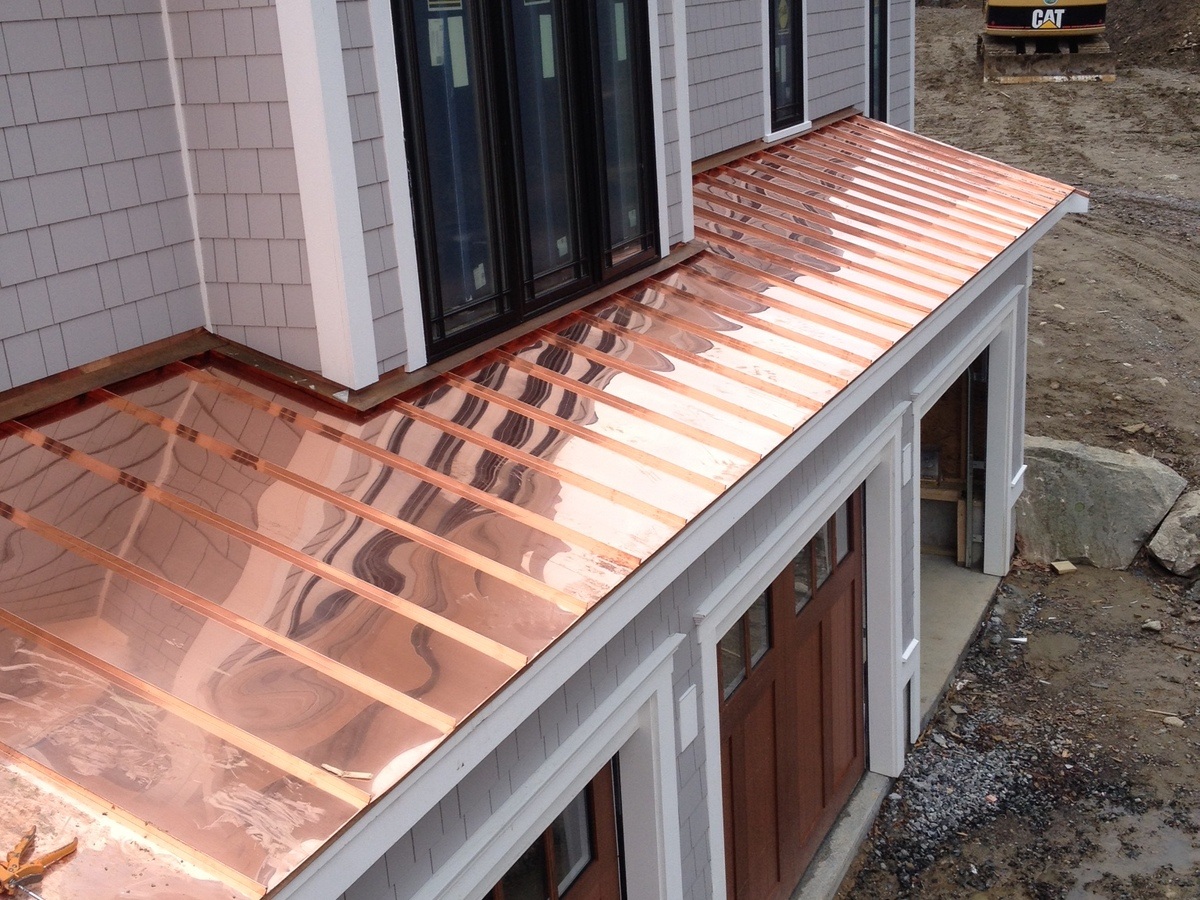
- Metal roofs: Growing in popularity, metal roofing offers exceptional durability and a longer lifespan compared to asphalt. They are highly resistant to fire, wind, and even hail. Metal roofs also shed snow and ice more effectively, reducing the risk of ice dams. For homeowners looking for a long-term investment with minimal maintenance, exploring Residential Metal Roofing is a smart choice.
- Rubber roofs (EPDM/TPO): Often seen on low-slope or flat roofs, rubber roofing materials like EPDM (ethylene propylene diene monomer) and TPO (thermoplastic polyolefin) are excellent for their waterproofing capabilities. They are highly resistant to UV radiation and temperature extremes, making them suitable for commercial buildings and residential homes with unique architectural designs. You can learn more about these durable options for your home by visiting our Residential Rubber Roofing page.
Signs Your Roof Needs Attention
Your roof often gives subtle clues when it’s time for repair or replacement. Catching these signs early can save you from more extensive and costly damage.
- Curling or cracked shingles: This is a classic indicator of age and weather damage. Shingles that are curling at the edges or buckling in the middle have lost their effectiveness. Cracks can allow water to penetrate the underlayment.
- Leaks or water stains: Any sign of water in your attic, on your ceilings, or running down interior walls is a serious red flag. Even small stains can indicate a persistent leak that needs immediate attention.
- Sagging roof deck: If you notice any part of your roofline appears to be sagging or drooping, this could indicate structural damage, possibly from water intrusion or heavy loads like snow. This is a critical issue that requires prompt professional assessment.
- Granules in gutters: Asphalt shingles are coated with ceramic granules that protect them from UV rays. As shingles age, these granules shed. Finding a significant amount of granules in your gutters is a sign that your roof is nearing the end of its lifespan.
- Missing shingles: Strong winds or severe storms can dislodge shingles, leaving your roof deck exposed to the elements.
- Sunlight through the roof boards: In your attic, if you can see daylight through the roof boards, it means there are gaps or holes in your roofing system.
If you observe any of these signs, it’s crucial to consult with experienced local roofers in the area for a thorough inspection. Whether it’s a minor repair or a full Roof Replacement Danvers MA, addressing issues promptly can prevent further deterioration and protect your home’s integrity.
How to Hire Local Roofers in the Area and Understand Costs
Hiring local roofers in the area and navigating the financial aspects of a roofing project can seem daunting. However, with a clear understanding of the process and typical costs, you can approach your project with confidence.
The Process for Getting Quotes from local roofers in the area
The first step in any roofing project is to obtain detailed quotes from multiple contractors. We recommend getting at least three estimates to compare services and pricing.
- Getting multiple estimates: This allows you to see a range of approaches, materials, and costs for your specific project. It also gives you a chance to gauge the professionalism and communication style of different companies.
- What a quote should include: A comprehensive quote should be much more than just a price. It should detail the scope of work, including removal of old roofing, preparation of the roof deck, specific materials to be used (brand, type, color), underlayment, flashing, ventilation, cleanup procedures, and warranty information (both labor and materials). It should also clearly state the timeline for the project.
- Comparing apples-to-apples: When reviewing quotes, ensure you are comparing similar materials and services. A significantly lower bid might indicate a contractor is cutting corners, using inferior materials, or omitting crucial steps. Ask questions to clarify any discrepancies. Don’t hesitate to ask about their experience with similar projects in your specific town, like a Roofing Company Winchester MA project.
To get started, we offer a straightforward process to Request Estimate for your roofing needs.
Factors Influencing Roofing Costs
The total cost of your roofing project can vary significantly based on several factors:
- Roof size and complexity: Larger roofs naturally require more materials and labor. Complex roof designs with multiple valleys, hips, dormers, or steep pitches are more challenging and time-consuming to work on, increasing costs.
- Material choice: As discussed, different roofing materials have different price points. Asphalt shingles are generally the most economical, while metal or rubber roofs represent a higher initial investment but offer greater longevity and durability.
- Labor rates: These can vary based on local economic conditions, the experience and certifications of the crew, and whether you choose a union or non-union contractor.
- Permit fees: Most roofing projects require permits from your local municipality to ensure the work meets building codes. These fees are typically a small portion of the overall cost but are essential for legal and safe construction.
- Additional features: Costs can also increase with additions like skylight installation, gutter replacement, or improved attic ventilation.
Understanding Average Roofing Prices*
The prices we discuss here are average costs based on publicly available internet data and are not representative of our specific pricing. Actual costs can vary widely depending on the factors mentioned above, your home’s unique characteristics, and the specific services you require. We always provide detailed, personalized estimates after a thorough inspection.
- Small repairs: For minor issues like patching a small area (under 20 square feet) or replacing a few damaged shingles, you can generally expect to pay between $400 – $1,500+, including both labor and materials. Larger repairs, such as fascia, roof truss, or eaves repair, could range from $1,000 – $5,000+.
- Full replacements: A complete roof replacement is a more substantial investment. For a typical residential asphalt shingle roof, homeowners might anticipate costs ranging from $8,000 – $30,000+. This wide range accounts for differences in roof size, pitch, material quality, and regional labor rates. Commercial roofing projects, which often involve specialized materials and larger scales, will have their own distinct pricing structures. You can explore our dedicated services for Commercial Roofing to learn more.
Always discuss all costs and fees thoroughly with your chosen local roofer in the area before signing any agreement.
Frequently Asked Questions About Hiring Local Roofers
We understand that you might have many questions when considering a roofing project. Here are some of the most common inquiries we receive from homeowners in Massachusetts and New Hampshire.
How do I find the best local roofers in the area?
Finding the best local roofers in the area involves a combination of research and due diligence. We recommend starting by:
- Checking online reviews: Websites like Google, Yelp, and the Better Business Bureau provide invaluable insights from previous customers. Look for patterns of positive feedback regarding professionalism, quality, and communication. The average rating for roofers across Canada is 4.9/5 stars, so aim for contractors with similar high scores.
- Verifying certifications: Ask about manufacturer certifications (like GAF) and industry affiliations. These demonstrate a commitment to quality and ongoing training.
- Confirming insurance: Always request proof of liability and worker’s compensation insurance. This protects both you and the roofing crew.
- Asking for local references: A reputable roofer should be happy to provide contacts for recent projects in your community.
- Checking licenses: Ensure they are properly licensed to operate in Massachusetts or New Hampshire.
For example, if you’re in the Winchester area, you would look for Roofing Contractors Winchester MA who meet these criteria.
How do I know if I need a roof repair or a full replacement?
This is one of the most common dilemmas homeowners face. Here’s how to assess your situation:
- Age of the roof: The typical lifespan of an asphalt shingle roof is 15-25 years. If your roof is approaching or has exceeded this age, a replacement is likely warranted, especially if repairs are becoming frequent.
- Extent of damage: Minor, localized damage (e.g., a few missing shingles, a small leak) can often be addressed with repairs. However, widespread damage, such as significant granule loss across the entire roof, extensive curling or cracking, or multiple leaks, usually points towards a full replacement.
- Signs of sagging: Any noticeable sagging or dipping in the roof deck is a serious structural issue that almost always requires a full replacement and potentially structural repairs beneath.
- Professional inspection: The most definitive way to determine whether you need a repair or replacement is to have a certified professional conduct a thorough roof inspection. They can assess the overall condition, identify underlying issues, and provide an expert recommendation.
If you’re in Andover and wondering about your options, contacting Roof Replacement Andover MA specialists can give you a clear picture.
How long does a typical roof installation take?
The duration of a roof installation can vary, but generally, most residential asphalt shingle roof replacements are completed quite efficiently.
- Average timeline 1-3 days: For a standard-sized home with an average complexity, a new roof installation typically takes between 1 to 3 days from start to finish. This includes removing the old roof, preparing the deck, installing new materials, and a thorough cleanup.
- Factors affecting duration: Several elements can influence how long your project takes:
- Roof size and complexity: Larger homes or roofs with intricate designs (steep pitches, many valleys, dormers) will naturally take longer.
- Weather delays: Unfavorable weather conditions, such as heavy rain, snow, or extreme winds, can halt work for safety reasons, extending the timeline.
- Material choice: While asphalt shingle roofs are usually quick, specialized materials like certain metal roofing systems might require more intricate installation, potentially adding time.
- Unexpected findies: During the tear-off process, contractors might find hidden damage to the roof deck, such as rot or structural issues, which will need to be addressed before new roofing can be installed.
For projects in areas like Acton, a reliable contractor specializing in Roof Installation Acton MA will provide you with a realistic timeline during the quoting process. Our goal is always to complete your project efficiently while maintaining the highest standards of quality and safety.
Conclusion: Making the Right Choice for Your Home’s Protection
Choosing the right local roofers in the area is a critical decision that impacts your home’s safety, value, and your peace of mind for years to come. We’ve explored the essential qualities of qualified professionals, the distinctions between union and non-union contractors, the specific roofing challenges we face in Massachusetts and Southern New Hampshire, and how to steer the quoting and cost process.
The key takeaways are to prioritize experience, certifications, proper insurance, and a strong local reputation. Don’t hesitate to ask questions, compare multiple detailed quotes, and ensure you understand the scope of work and warranty information. Your roof is a significant investment, and vetting your contractor thoroughly is the best way to protect that investment.
As a reminder, Twin Roofing installs asphalt roofs in MA and NH. We are dedicated to providing superior performance, quality materials, and exceptional customer service to homeowners across Berkshire County in Eastern Massachusetts and Southern New Hampshire. We’re here to help you make an informed decision for your home’s protection.
For all your residential roofing needs, don’t hesitate to Contact us for your residential roofing needs.
Follow us on Facebook — https://www.facebook.com/twinmetalsroofing Follow us on Instagram – https://www.instagram.com/twinmetals/