Why Finding the Right Local Roofer Matters More Than You Think
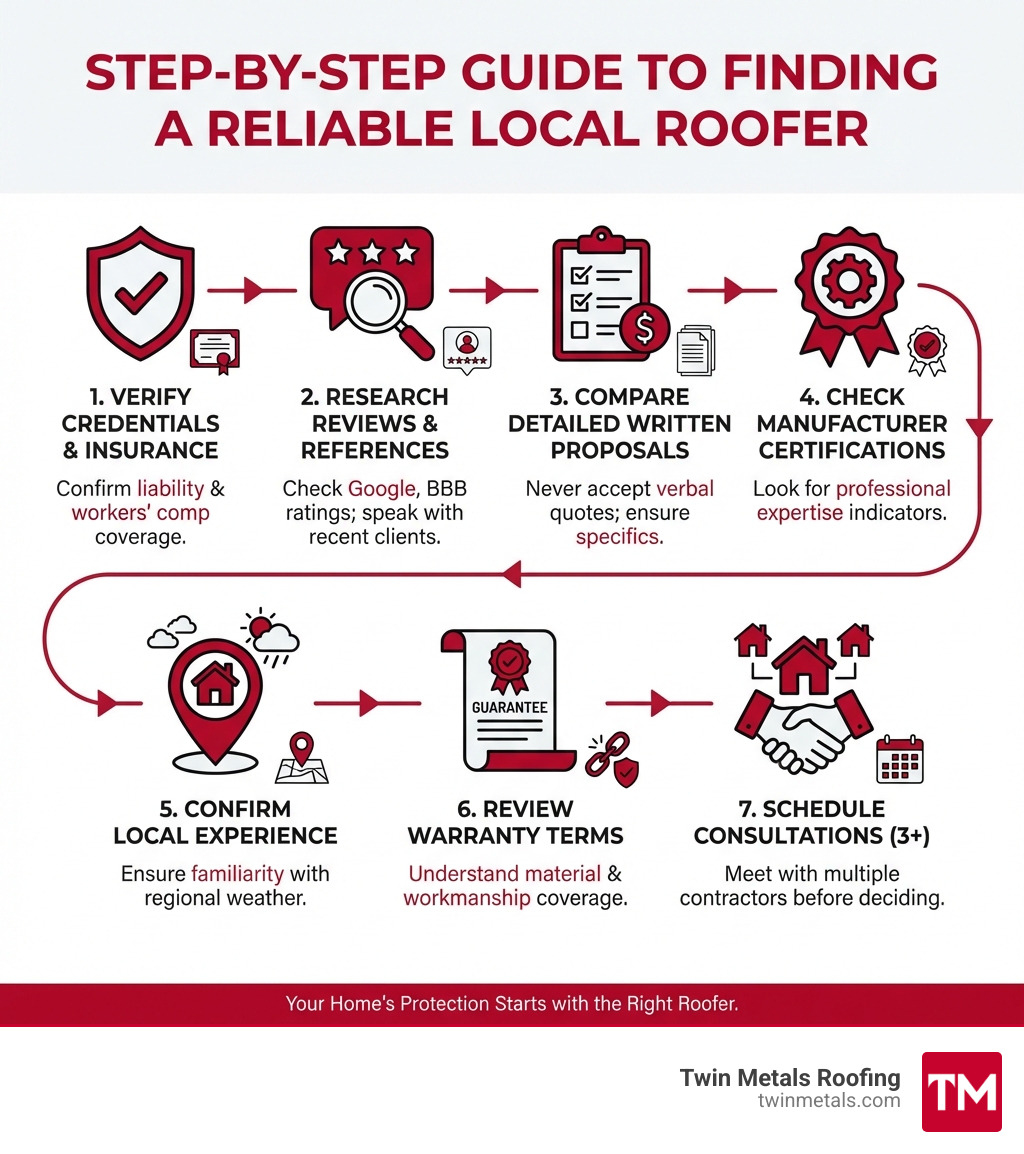
Find local roofer services can feel overwhelming, but the right choice protects your home for decades. Here’s how to quickly identify a reliable roofing contractor:
- Verify licensing and insurance – Confirm general liability and workers’ compensation coverage
- Check online reviews – Look at ratings on Google, BBB, and Facebook from real customers
- Ask for references – Speak with 3-5 recent clients about their experience
- Get detailed written proposals – Never accept verbal estimates or vague quotes
- Confirm local experience – Ensure they understand New England weather challenges
- Review warranties – Understand both material and workmanship coverage
- Avoid storm chasers – Choose established local businesses over door-to-door contractors
Your roof is the most critical component of your home. It shields you from harsh New England winters, protects your family, and represents a significant investment—often $5,000 to $15,000 or more for a complete replacement. According to industry data, the average homeowner rating for roofing contractors is 4.7 out of 5 stars, but that means plenty of contractors fall short.
The stakes are high when you choose the wrong contractor. Poor workmanship can lead to leaks, structural damage, voided warranties, and thousands in repair costs. Worse, if an uninsured worker is injured on your property, you could face serious liability.
The good news? Finding a trustworthy local roofer doesn’t require guesswork. With proper vetting and the right questions, you can identify contractors who deliver quality work, stand behind their installations, and understand the specific challenges of roofing in Massachusetts and Southern New Hampshire.
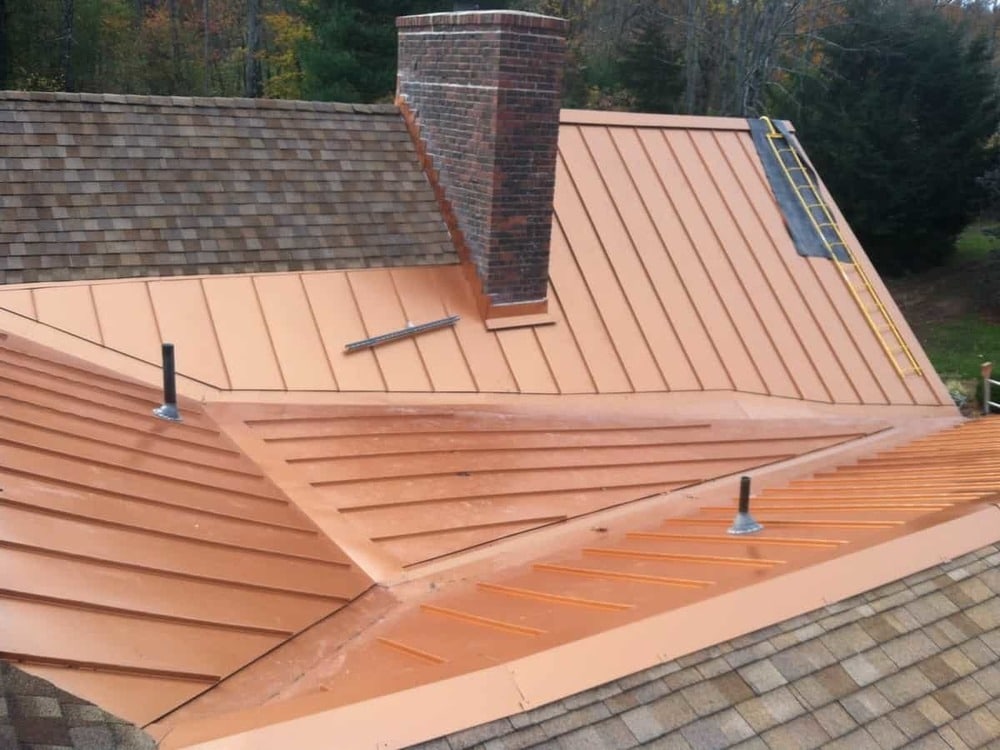
Twin Metals Roofing specializes in professional installation of both asphalt shingle and metal roofing systems throughout Massachusetts and Southern New Hampshire, backed by strong warranties and a commitment to customer satisfaction.
The Foundation: Verifying a Roofer’s Credentials
Before you even discuss materials or prices, it’s crucial to confirm that a contractor is a legitimate, professional business. This foundational step protects you from liability and ensures a baseline of quality.
When we consider a roofing contractor, we’re looking for more than just someone who can hammer nails. We’re looking for a professional who meets essential qualifications and holds the right credentials. This includes proper licensing, comprehensive insurance, and, ideally, manufacturer certifications that speak to their expertise.
The first step in our vetting process is always to confirm their state licensing. While Massachusetts and New Hampshire have specific requirements, the general principle is simple: a legitimate contractor should hold the necessary licenses to operate legally in your area. This isn’t just a formality; it confirms they’ve met certain standards and are accountable to regulatory bodies. Always ask for their license number and verify its validity with the appropriate state board.
Next, we look for proof of insurance. This includes both general liability and workers’ compensation. These aren’t “nice-to-haves”; they are absolute necessities. General liability insurance protects your property in case of accidental damage during the project, while workers’ compensation covers the roofing crew if they sustain an injury on your property. Without these, you could find yourself in a very sticky, and expensive, situation. We’ll dig deeper into this shortly.
Manufacturer certifications, such as those from GAF or Owens Corning, are another strong indicator of a contractor’s commitment to quality and ongoing training. These certifications mean the contractor has met stringent requirements set by leading manufacturers, often allowing them to offer improved warranties that untrained contractors cannot. We pride ourselves on meeting these high standards, ensuring our team is always up-to-date with the latest roofing technologies and installation best practices. You can learn more about our commitment to quality and our team on our About Us page.
Finally, we also consider other signs of a reputable business: a permanent place of business, a consistent phone number, and a tax identification number. These might seem small, but they indicate stability and a long-term commitment to their craft, which is exactly what you want when entrusting your roof to someone.
Why you must find a local roofer with proper insurance
The importance of a roofer carrying both general liability and workers’ compensation insurance cannot be overstated. General liability protects your property from damage, while workers’ compensation covers the crew in case of injury, preventing you from being held financially responsible for accidents on your property. Always ask for a certificate of insurance.
Let’s talk about insurance—it’s not the most exciting topic, but it’s one of the most crucial when you find local roofer services. We emphasize this because, without proper insurance, you, the homeowner, could be held liable for significant costs.
First, consider general liability insurance. This protects your property from any accidental damage that might occur during the roofing project. Imagine a scenario where a shingle falls and breaks a window, or a piece of equipment dents your siding. If your contractor has general liability insurance, their policy will cover these repair costs. If they don’t, guess who’s on the hook? That’s right, you are.
Second, and perhaps even more critical, is workers’ compensation insurance. Roofing is inherently a dangerous job, and accidents, unfortunately, can happen. If a worker is injured on your property and the contractor does not carry workers’ compensation insurance, you, the homeowner, might be held responsible for their medical bills, lost wages, and other related expenses. Homeowner’s insurance policies typically exclude such injuries, leaving you exposed to potentially astronomical costs. Workers’ compensation premiums can significantly increase a contractor’s wage costs, sometimes by as much as 20% to 100% depending on the state. This is why some less scrupulous contractors might try to cut corners by not carrying it, but it’s a risk you absolutely cannot afford.
When we evaluate contractors, we always ask for current certificates of insurance directly from their insurance provider, not just a copy the contractor hands us. This ensures the policy is active and covers the scope of work. It’s a simple step that provides immense peace of mind and protects your financial well-being. A transparent and reputable roofing company, like Twin Metals Roofing, will be happy to provide this documentation without hesitation.
The Investigation: How to Find a Local Roofer and Vet Their Reputation
With credentials confirmed, the next step is to investigate the company’s track record and reputation within the community. A roofer’s history is the best predictor of your future experience.
Once we’ve established that a potential roofer is licensed and insured, we move on to the detective work: investigating their reputation. This is where we gather insights from past clients and assess their standing in the community. After all, a company’s past performance is a strong indicator of its future service.

Online reviews are our modern-day word-of-mouth. We check various platforms like Google Reviews, the Better Business Bureau (BBB), and social media sites like Facebook. While a perfect 5-star rating might raise an eyebrow (who’s that perfect?), we look for a consistently high average rating combined with a significant number of reviews. For instance, platforms like Bark.com report an average rating of 4.68/5 based on tens of thousands of reviews for roofers, and HomeAdvisor reports an impressive 4.9/5. The Home Depot’s platform also shows a 4.7/5 average rating for roofing contractors. These statistics show that high standards are achievable and expected. We also pay attention to how a company responds to negative feedback; a professional response indicates a commitment to customer satisfaction and problem-solving. For a broader search, you can always visit Find a roofing contractor near you to check a company’s BBB rating and history.
Beyond online reviews, we believe in asking for references. We recommend requesting contact information for three to five recent clients who had projects similar to yours. Speaking directly with these individuals can provide invaluable insights into the contractor’s communication style, adherence to timelines, quality of work, and post-project support.
Furthermore, a reputable roofer should have a portfolio of past projects they can share, ideally with photos or even addresses of completed work. This allows us to see the quality of their craftsmanship and ensures their experience aligns with our needs.
Finally, local experience is paramount, especially when you find local roofer services in Massachusetts and Southern New Hampshire. Our region presents unique challenges, from heavy snowfall and ice dams to powerful winds and drastic temperature fluctuations. A contractor with deep local roots understands these conditions and knows which materials and installation methods are best suited to withstand our climate. This local know-how is something we prioritize at Twin Metals Roofing, as it directly impacts the longevity and performance of your roof.
Questions to ask about past projects
When speaking with a potential roofer or their references, don’t be shy. Ask specific questions about their experience with projects similar to yours. Inquire about the project’s timeline, how they handled unexpected challenges, and if the previous client was satisfied with the communication and final result.
Once you have a list of potential roofers, and you’re chatting with their references or reviewing their past projects, here’s what we recommend you ask:
- “Was the project completed on time and within budget?” This helps gauge their project management skills and financial transparency. Delays can be frustrating, and unexpected costs are a headache nobody wants.
- “How did the contractor handle any unexpected issues or challenges that arose during the project?” No project is without its hiccups. What matters is how a contractor responds. Do they communicate effectively, offer solutions, and resolve problems professionally?
- “Were you satisfied with the level of communication throughout the project?” Good communication is the bedrock of any successful home improvement project. You want a roofer who keeps you informed every step of the way, from initial assessment to final cleanup.
- “Would you hire this contractor again for future roofing needs?” This is the ultimate endorsement. A resounding “yes” speaks volumes about their reliability and the quality of their work.
- “Can you describe the crew’s professionalism and how they maintained the job site?” A clean and organized job site indicates a commitment to safety and respect for your property.
- “How long has the company been in business?” While new businesses can be excellent, companies in business for over 10 years often demonstrate greater stability and a proven track record.
By asking these detailed questions, we can paint a much clearer picture of what to expect from a roofing contractor, helping us to find local roofer services that truly stand out.
The Blueprint: Decoding Estimates, Contracts, and Warranties
A reputable roofer will provide clear, detailed documentation. Understanding what to look for in estimates, contracts, and warranties is key to avoiding misunderstandings and unexpected costs down the line.
Navigating the paperwork—estimates, proposals, contracts, and warranties—can feel like reading a foreign language. But understanding these documents is paramount to a successful roofing project. We believe in transparency and want you to know exactly what you’re signing up for.
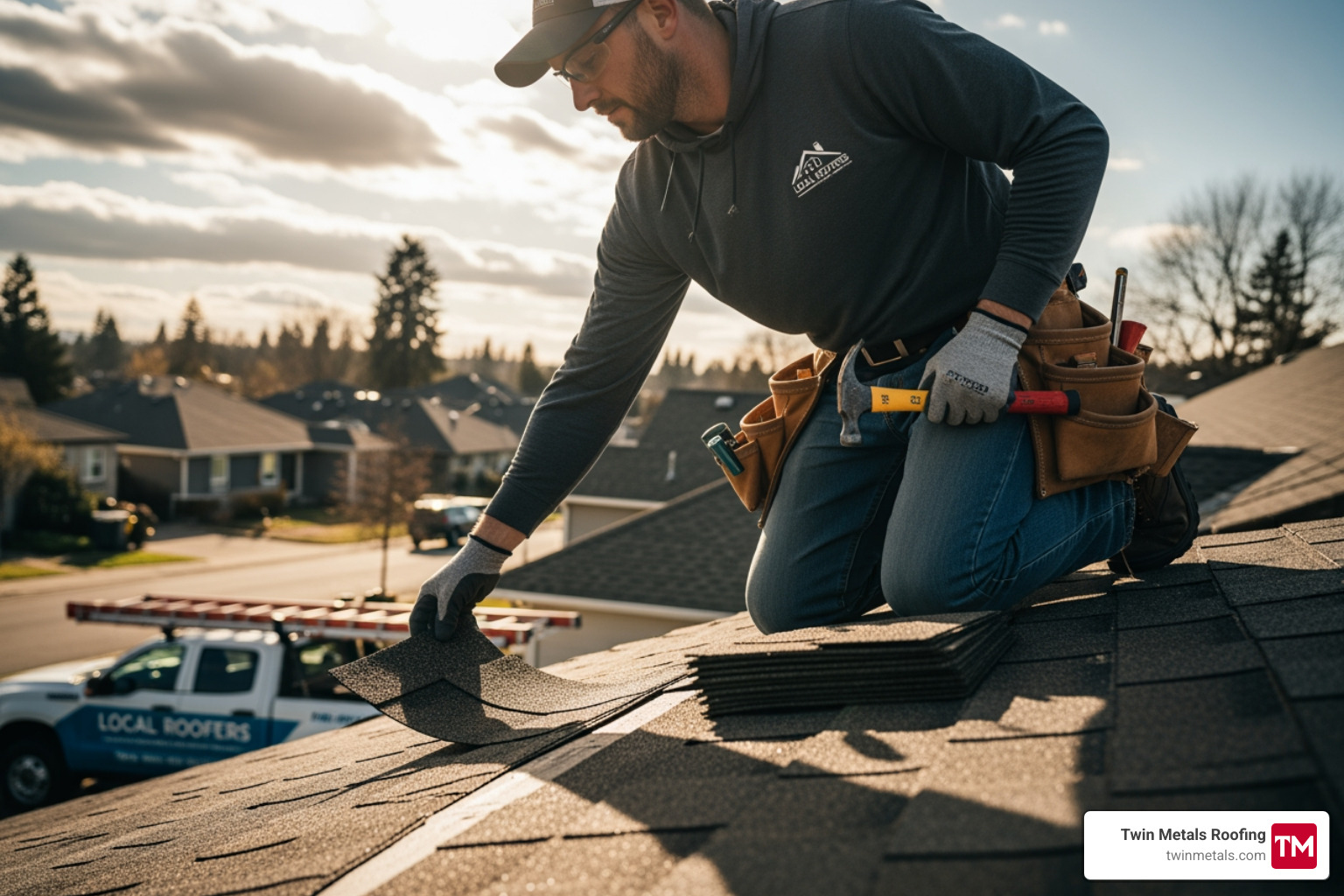
First, let’s differentiate between an “estimate” and a “detailed written proposal.” An estimate often provides a single, ballpark figure with minimal details. It’s traditional, but it leaves too much open to interpretation and dispute. A full and complete proposal, on the other hand, is a tentative agreement that offers choices. It outlines specific products by brand name, prices, services, designs, and includes provisions for change orders and payment options. We always insist on detailed proposals because they clearly communicate what will be done, how it will be done, and for how much, leaving little room for misunderstanding.
When reviewing a proposal, we look for key elements. It should clearly list all materials, including brand, type (e.g., residential shingle roofing or residential metal roofing), color, and quantity. Labor costs should be itemized, and the scope of work should be carefully described, from tear-off and disposal to installation of new flashing and ventilation. The approximate start and end dates are also crucial, along with a clear payment schedule.
Speaking of payment, a reputable contractor will typically require a reasonable down payment (often 10-30%) and progress payments tied to completed milestones, with the final payment due upon satisfactory completion. Be wary of contractors demanding full payment upfront.
Next, let’s talk warranties. These are typically divided into two categories: material warranties and workmanship warranties. Material warranties are provided by the manufacturer (e.g., GAF or Owens Corning) and cover defects in the roofing materials themselves. Workmanship warranties, offered by the contractor, cover the quality of the installation. We ensure that both are clearly outlined. Many manufacturer certifications, like GAF’s Master Elite or Owens Corning’s Platinum Preferred, allow contractors to offer improved, extended warranties that provide superior protection. It’s vital to understand what each warranty covers, its duration, and any conditions that might void it.
Finally, the contract itself is a legally binding agreement. It should encompass all the details from the proposal, including the scope of work, materials, costs, payment terms, warranties, and clauses for unexpected delays (like weather) or changes. We strongly advise reading every line carefully before signing. If anything is unclear, ask for clarification.
Here are 10 must-have items we look for in a comprehensive roofing estimate or proposal:
- Contractor’s Full Business Name, Address, and Contact Information: Essential for legitimacy.
- License Number and Proof of Insurance: Verify current general liability and workers’ compensation.
- Detailed Scope of Work: What exactly will be done, from tear-off to cleanup.
- Material Specifications: Brand, type, color, and quantity of all roofing components (shingles, underlayment, flashing, vents, etc.).
- Project Timeline: Estimated start and completion dates.
- Total Cost and Payment Schedule: Clear breakdown of costs and terms for payments.
- Warranty Information: Details on both manufacturer material warranties and contractor workmanship warranties.
- Permit Information: Who is responsible for obtaining and paying for necessary permits.
- Disposal Plan: How old materials will be removed and disposed of.
- Cleanup Procedures: Assurance that the job site will be thoroughly cleaned after completion.
The Warning Signs: Spotting Scams and Ensuring Safety
Unfortunately, the roofing industry has its share of fraudulent operators. Knowing the red flags of a questionable contractor and the green lights of a professional one can save you from major headaches.
When you’re trying to find local roofer services, it’s not always sunshine and rainbows. There are individuals out there looking to take advantage of homeowners. Knowing the warning signs can save you a lot of grief and money.
One of the biggest red flags, especially after a severe weather event, are “storm chasers.” These contractors often appear seemingly out of nowhere, going door-to-door offering quick, cheap repairs. They typically lack local ties, may perform shoddy work, and often disappear before you realize the problems, leaving you with no recourse or warranty. A reputable local roofer will have an established presence in Massachusetts or Southern New Hampshire, with a physical office and a history in the community.
Other warning signs include high-pressure tactics, such as demanding an immediate decision or offering “today-only” discounts. Vague agreements or refusing to provide a detailed written contract are also major red flags. If a contractor asks for full payment upfront, or only accepts cash, that’s another sign to walk away.
On the flip side, reputable companies exhibit clear signs of professionalism. They have a permanent business address, a strong online presence with verifiable reviews, and readily provide references and proof of insurance and licensing. They communicate clearly, answer all your questions patiently, and offer detailed, written proposals.
How to find a local roofer who prioritizes safety
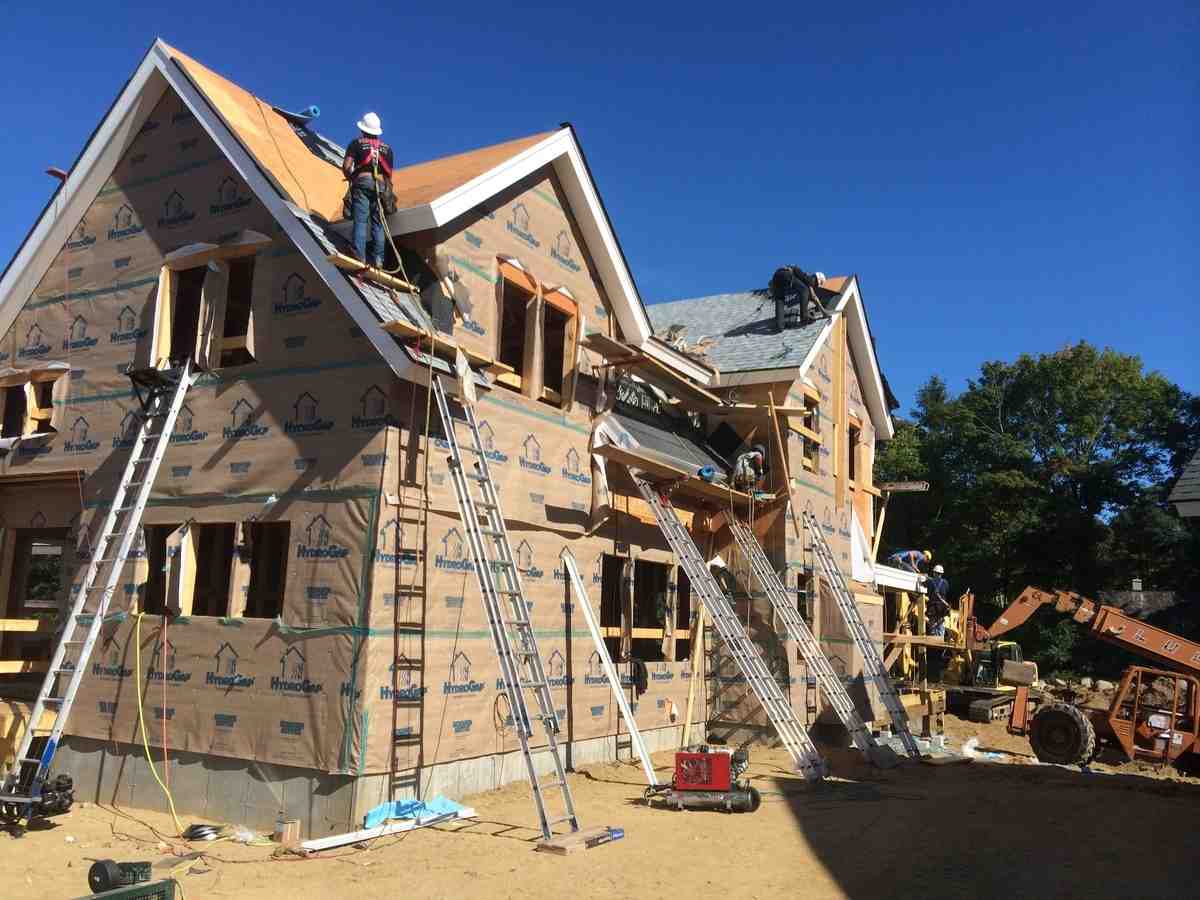
A professional roofing company takes safety seriously. Look for contractors who discuss their safety protocols, ensure their crew uses proper equipment like harnesses, and maintain a clean and organized job site. A commitment to safety reflects a commitment to professionalism and quality.
Safety isn’t just a buzzword; it’s a non-negotiable for us. Roofing is one of the most hazardous professions, and a contractor’s commitment to safety directly reflects their professionalism and respect for their crew and your property.
When we look to find local roofer professionals, we always inquire about their safety protocols. Does the contractor have a comprehensive safety plan? Do they conduct regular safety training for their crew? Are they compliant with OSHA (Occupational Safety and Health Administration) standards? These standards, particularly for fall prevention, add considerable cost to a job, but they are absolutely essential. Contractors who adhere to them might have slightly higher prices than those who cut corners, but that cost is a small price to pay for preventing serious accidents.
A truly safety-conscious contractor will ensure their crew uses proper safety equipment, including harnesses, hard hats, and safety glasses. We expect to see a clean and organized job site, free from unnecessary debris and hazards. This not only prevents accidents but also shows respect for your property and minimizes disruption to your daily life.
At Twin Metals Roofing, we believe that a company that cares about the safety of its workers is more likely to complete the work without mishaps and on time, ensuring a smooth and worry-free experience for our clients in Massachusetts and Southern New Hampshire.
The Project: From Repair vs. Replacement to Final Costs
Every roofing project is unique. A good contractor will help you understand your specific needs, from determining if you need a simple repair or a full replacement to explaining the factors that influence the final cost.
One of the first questions we help homeowners answer is whether they need a roof repair or a full replacement. This decision hinges on several factors. If your roof is relatively new and has localized damage (e.g., a few missing shingles, a small leak), a targeted repair is often the most cost-effective solution. However, if your roof is nearing the end of its expected lifespan (typically 15-30 years for asphalt shingles, 40-70+ for metal), has widespread damage, or if repair costs exceed 30-50% of the cost of a full replacement, then a new roof is usually the more economical and beneficial long-term choice. Signs like cracked, curled, or peeling shingles, a sagging roof, or granule loss are clear indicators that a replacement may be imminent. Our experts at Twin Metals Roofing can provide a thorough inspection to help you make the best decision for your home.
Understanding the factors that influence the cost of a roofing project is also crucial. These include:
- Roof Size and Complexity: Larger roofs and those with steep pitches, multiple valleys, dormers, or chimneys require more materials and labor, driving up costs.
- Material Choice: Asphalt shingles are generally the most affordable, ranging from C$5,000 to C$15,000 for average homes (prices based on publicly available internet data, not our actual pricing). Premium materials like residential metal roofing or specialized residential shingle roofing can significantly increase the price.
- Labor Costs: These vary based on the crew size, project duration, and regional rates in Massachusetts and Southern New Hampshire.
- Scope of Work: Does the project include just shingles, or also new underlayment, flashing, ventilation, and possibly structural repairs?
- Season: Demand can influence pricing, with peak seasons sometimes leading to slightly higher costs.
- Additional Features: Gutters, skylights, or chimney repairs can add to the overall expense.
It’s also important to distinguish between a roofer and a general contractor. While a general contractor oversees an entire construction project and might subcontract roofing work, a roofer specializes exclusively in roofs. This specialization often means a deeper understanding of roofing systems, materials, and installation techniques, leading to higher quality and more efficient work. At Twin Metals Roofing, roofing is our passion and our sole focus.
Finally, let’s talk about the significant benefits of manufacturer certifications and network memberships, such as those from GAF or Owens Corning. These certifications are a mark of distinction. For example, GAF has over 7,000 Master Elite contractors, and Owens Corning has a network of over 6,000 roofing contractors. What does this mean for you?
- Quality Assurance: Certified contractors undergo rigorous training and must meet high standards for workmanship and customer service.
- Improved Warranties: Often, only certified contractors can offer the manufacturer’s strongest warranties, providing superior protection for both materials and workmanship. For instance, GAF Master Elite contractors can offer the Golden Pledge Limited Warranty, while GAF Certified Plus™ contractors can offer System Plus and Silver Pledge™ limited warranties. This gives you peace of mind that your investment is well-protected.
- Vetted Professionals: These networks typically pre-screen contractors for licenses, insurance, and reputation, simplifying your search for a trustworthy professional.
Choosing a certified contractor means you’re not just getting a roof; you’re getting a carefully installed system backed by industry leaders, which is precisely what we offer our clients in MA and NH.
Conclusion: Your Partner in Protecting Your Home
Choosing a local roofer is a significant decision that impacts your home’s safety and value for decades. By following these steps—verifying credentials, researching reputations, scrutinizing documents, and understanding your project’s scope—you can confidently select a qualified and trustworthy partner. For homeowners in Massachusetts & Southern New Hampshire, Twin Metals Roofing offers professional installation of high-quality asphalt shingle and metal roofs, focusing on superior performance and exceptional customer service.
We understand that finding the right local roofer can seem like a daunting task, but with the comprehensive guide we’ve provided, we hope you feel empowered and informed. Your roof is your home’s first line of defense against the elements, and investing in a reputable, skilled contractor is an investment in your home’s future.
Ready to discuss your roofing needs with a trusted local expert? Request Estimate today.
Twin Metals Roofing proudly serves communities throughout Massachusetts, including Berkshire County and Eastern Massachusetts, as well as Southern New Hampshire.