Why Finding the Right Roofer Matters for Your Home
If you find yourself saying I need a roofer, you’re likely dealing with leaks, damaged shingles, or an aging roof. Finding the right contractor can feel overwhelming, especially when facing potential water damage. Here’s what you need to know:
Quick Guide: When You Need a Roofer
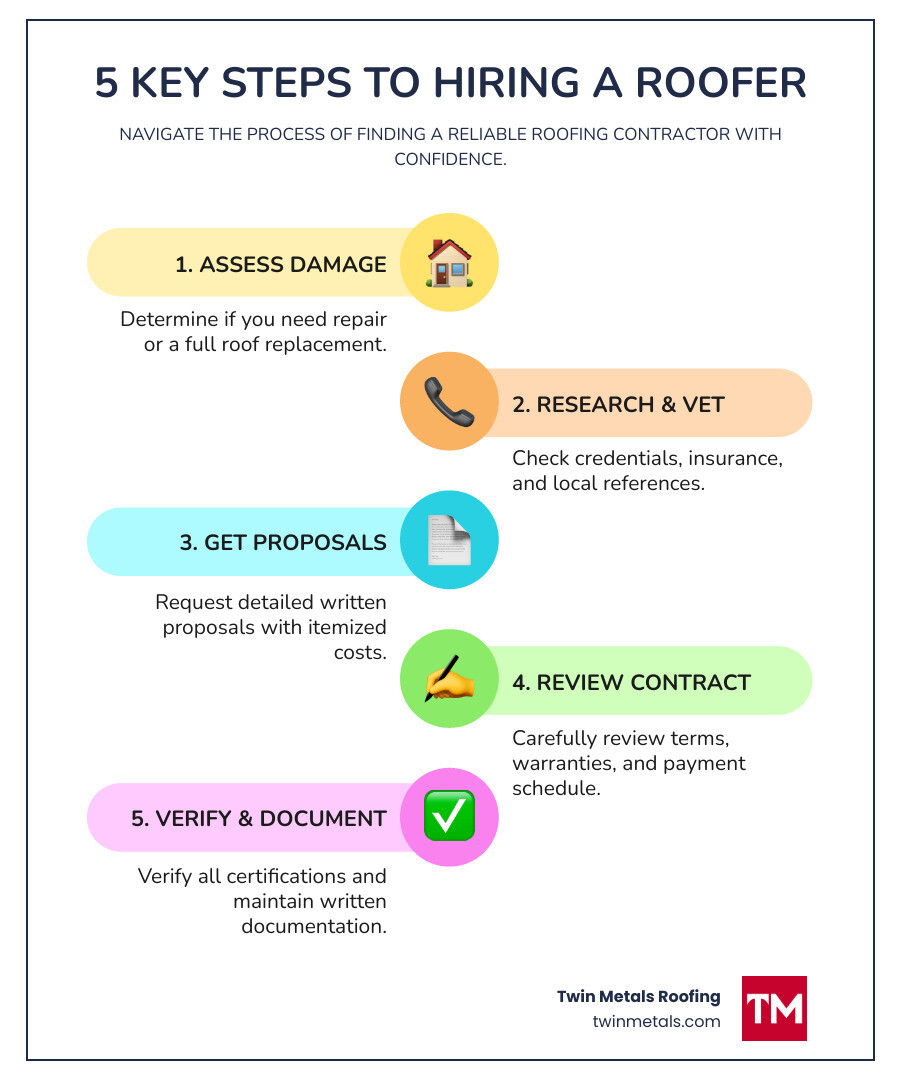
- Assess the damage – Determine if you need a repair or full replacement.
- Research contractors – Check credentials, insurance, and local references.
- Get multiple quotes – Compare detailed proposals, not just prices.
- Review the contract – Ensure everything is in writing with clear terms.
- Verify warranties – Understand both material and workmanship coverage.
Your roof is your home’s first line of defense against New England’s harsh weather. When it fails, damage can spread quickly from the attic to your walls, ceilings, and foundation.
Unfortunately, issues with roofing contractors are a common source of consumer complaints in the home renovation industry. This highlights why doing your homework before hiring is so important. The good news is that finding a reliable roofer doesn’t have to be complicated if you know what questions to ask and what red flags to watch for.
This guide walks you through the entire process—from determining whether you need a repair or a full replacement to vetting contractors, understanding costs, and avoiding common scams. By the end, you’ll have the knowledge to confidently protect one of your biggest investments: your home.
First, Do You Need a Roof Repair or a Full Replacement?
Before you search for “i need a roofer,” first assess your roof’s condition. A targeted repair can sometimes solve the problem, but other times a full replacement is the only way to ensure long-term protection. Knowing the difference helps you approach contractors with a clearer understanding of your needs.
Common signs you might need a roof repair or replacement include:
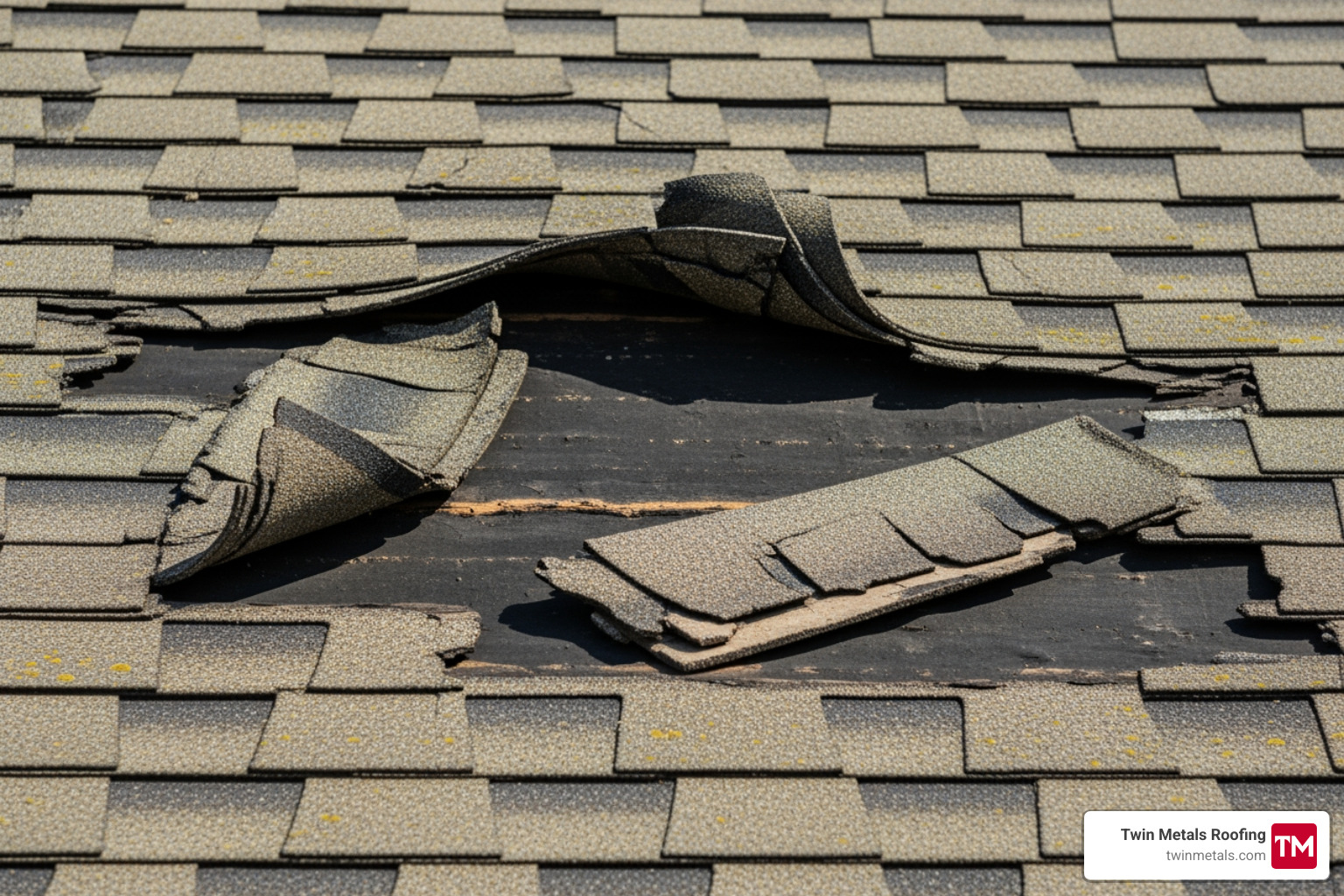
- Missing or Damaged Shingles: Cracked, curled, buckling, or missing shingles compromise your roof’s protective layer and expose the underlayment to the elements.
- Granules in Gutters: A significant accumulation of shingle granules in your gutters indicates that your asphalt shingles are deteriorating and nearing the end of their lifespan.
- Leaks and Water Stains: Water stains on ceilings or walls are a clear sign of a leak. Even a small leak can lead to mold and structural damage over time.
- Sagging Roof Deck: A sagging roofline is a serious structural issue that often points to the need for a full replacement. Don’t ignore a sag.
- Roof Age: Most asphalt shingle roofs last 20-30 years. If your roof is approaching or has exceeded its expected lifespan, it’s wise to consider a proactive replacement to prevent costly emergency repairs.
While some minor issues seem like a DIY project, we strongly recommend a professional inspection. A qualified roofer can identify hidden damage and recommend the most effective solution, which is especially important in the harsh New England climate.
For all your residential roofing needs, from minor repairs to full replacements, explore our Residential Roofing services.
How to Find and Vet a Reputable Roofing Contractor
Once you’ve assessed your roof’s condition, the next step is finding a reputable contractor. A structured approach can help you confidently select the right professional for your home in Massachusetts or Southern New Hampshire.
Start by asking for local recommendations from friends and neighbors. Then, conduct online research using resources like the Better Business Bureau (BBB) to check a company’s accreditation, reviews, and complaint history. A strong local presence and positive feedback are good signs.
Verifying credentials is non-negotiable. Ensure any contractor you consider has:
- Insurance: General liability insurance to cover property damage and workers’ compensation to protect their crew. Always ask for current insurance certificates.
- Licensing: Check with your local building department in Massachusetts or New Hampshire to understand the specific licensing requirements for your area.
- Manufacturer Certifications: Certifications from leading manufacturers (like GAF) indicate specialized training and may allow the contractor to offer improved material warranties.
The National Roofing Contractors Association (NRCA) also provides excellent guidelines for choosing a professional.
Key Questions to Ask When I Need a Roofer
When interviewing potential roofers, be prepared with a list of questions to evaluate their professionalism and experience:
- How long have you been in business?
- Can you provide proof of both general liability and workers’ compensation insurance?
- Who will be my main point of contact and supervise the project?
- Can you provide local references from recent projects?
- What warranties do you offer on materials and workmanship?
Understanding Quotes vs. Proposals
While often used interchangeably, there’s a key difference between an estimate and a proposal.
An estimate is a ballpark figure with a generic description of the work. It’s often less detailed and can lead to disputes.
A proposal is a much more comprehensive document. It should be a detailed agreement that outlines everything, including:
- An itemized list of all costs (materials, labor, etc.)
- A clear payment schedule
- An expected project timeline
- A full scope of work, from tear-off to cleanup
- How unexpected issues (change orders) will be handled
We believe in providing complete proposals to ensure you have all the information needed to make an informed decision and avoid surprises.
I Need a Roofer: Understanding the Contract and Avoiding Scams
Once you’ve received detailed proposals, the next step is to carefully review the contract. This document is your protection and should clearly outline every aspect of the project. Never proceed based on a verbal agreement.
A comprehensive contract should include the contractor’s details, a detailed project description (materials, methods), total cost and payment terms, cleanup procedures, warranty information, and start/completion dates. A reputable contractor will also detail how they protect your property and ensure a thorough cleanup. Also, be aware of the “cooling-off period” (often 3 days in MA/NH) that allows you to cancel a contract signed in your home without penalty.
Common Roofing Scams and Red Flags
Unfortunately, the roofing industry can attract unscrupulous individuals. When you need a roofer, it’s crucial to be aware of potential scams to protect your investment. Here are some red flags:
- High-Pressure Sales Tactics: Pressuring you to sign immediately, often after a storm.
- “Storm Chasers”: Out-of-state contractors who appear after severe weather, perform shoddy work, and then disappear.
- Large Upfront Payments: Demanding 50% or more of the project cost before work begins. A reasonable deposit is typically 10-30%.
- Vague or Verbal-Only Agreements: A refusal to put all details in a written contract.
- Cash-Only Deals: Insisting on cash with no receipt, leaving you with no paper trail.
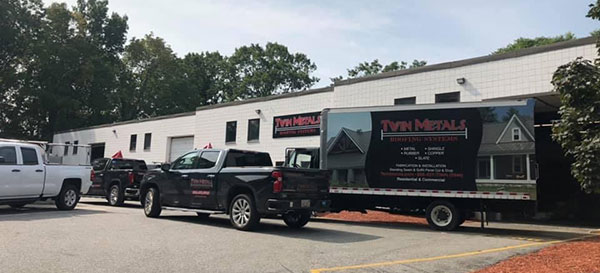
- Lack of Professionalism: Using unmarked trucks or having no verifiable physical business address.
What to Do If You Have a Complaint
If issues arise, follow these steps for resolution:
- Document Everything: Keep records of all communications, contracts, payments, and photos.
- Contact the Contractor: Attempt to resolve the issue directly with the company first.
- File a Formal Complaint: If direct communication fails, contact your state’s consumer protection agency or the Better Business Bureau (BBB), which offers dispute resolution services.
Exploring Your Roofing Options: Materials and Costs
When you need a roofer, understanding the different types of roofing materials and their costs is essential. The right choice depends on your budget, aesthetic preferences, and desired lifespan for your New England home.
Here’s a look at common residential roofing materials:
- Asphalt Shingles: The most popular choice, asphalt shingles are cost-effective, versatile, and typically last 20-30 years. Our Residential Shingle Roofing options provide excellent durability and curb appeal.
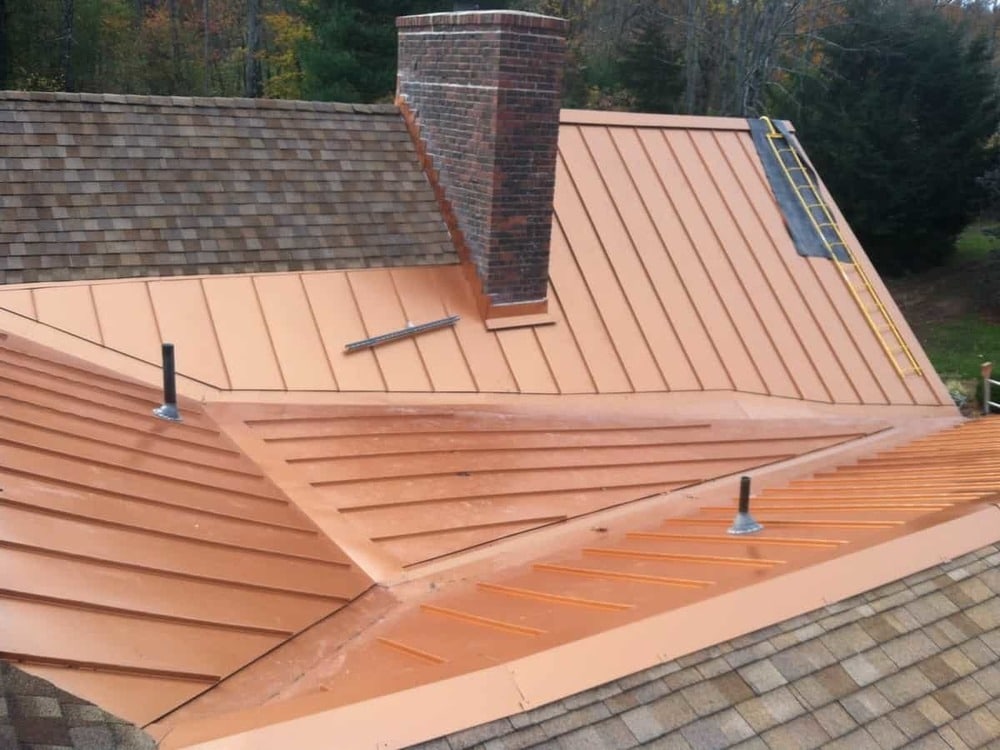
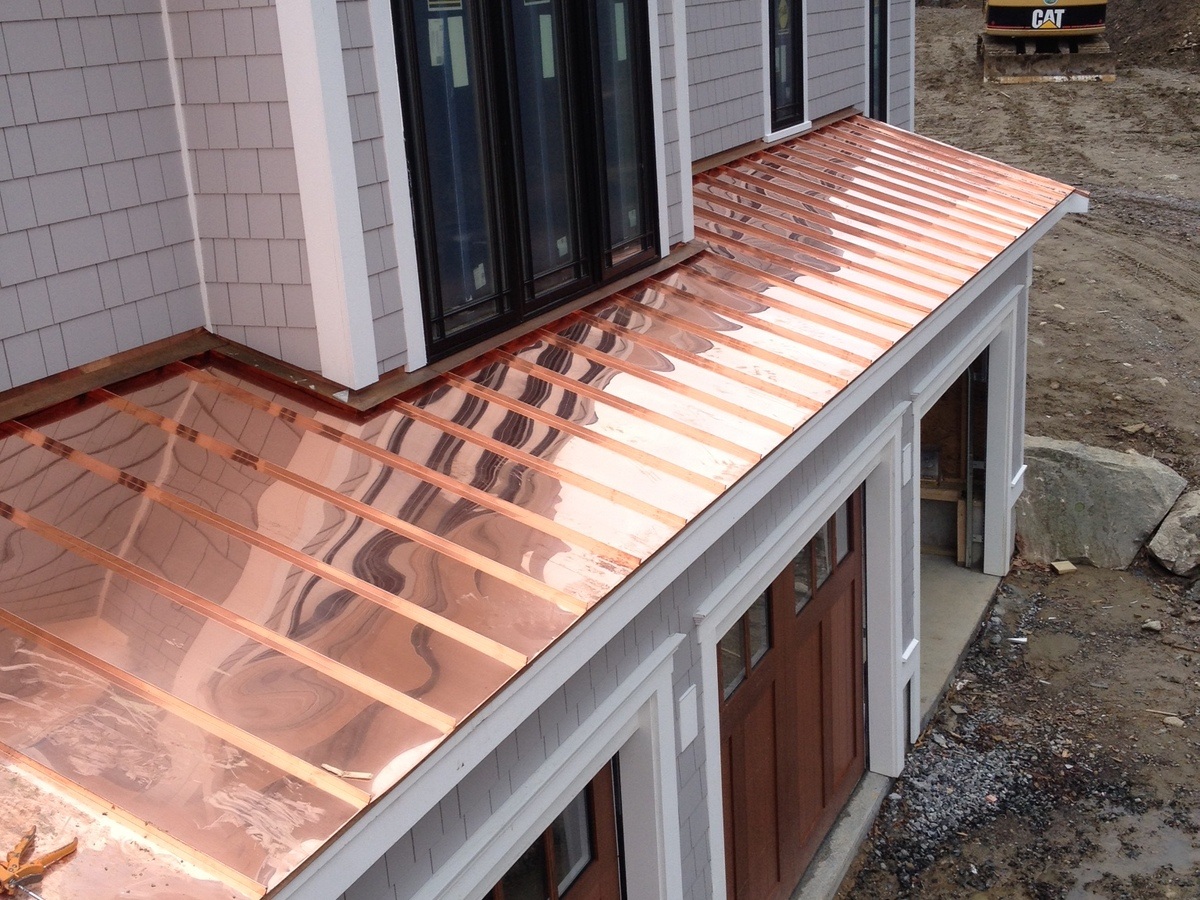
- Metal Roofing: A great long-term investment, metal roofing is highly durable, resistant to extreme weather, and can last 50 years or more. Explore our Residential Metal Roofing solutions for a robust option.
- Rubber Roofing (EPDM/TPO): Primarily used for low-slope or flat roofs, rubber roofing is durable and waterproof. It’s an excellent choice for certain home styles. Consider our Residential Rubber Roofing services for these specialized needs.
Here’s a general comparison:
| Material | Lifespan | Average Cost (per square foot, installed) | Maintenance Needs |
|---|---|---|---|
| Asphalt Shingles | 20-30 years | $4 – $12 | Low |
| Metal Roofing | 40-70+ years | $8 – $25+ | Very Low |
| Rubber Roofing | 20-50 years | $5 – $15 | Low |
Please note: These are average costs based on publicly available internet data and are not Twin Metals Roofing’s actual pricing. Actual costs can vary significantly based on location, roof complexity, specific material choice, and contractor.
How Roofing Costs Are Calculated
Disclaimer: The following cost ranges are average estimates based on publicly available internet data for the broader industry and are not representative of Twin Metals Roofing’s specific pricing. Actual costs for your project will depend on a multitude of factors and require a customized estimate.
The cost of a roofing project is influenced by several key factors:
- Roof Size and Complexity: Larger or more complex roofs (steep pitches, dormers) require more material and labor.
- Material Type: The choice of material is a major cost driver.
- Labor Rates: Costs for skilled labor vary by region.
- Old Roof Removal: Tearing off and disposing of the old roof adds to the cost.
- Permit Fees and Components: Local permit fees and costs for underlayment, flashing, and ventilation are also factored in.
Small repairs can range from $350 to over $1,000. Larger repairs might cost $1,000 to $5,000 or more. A full roof replacement can vary widely, from $8,000 to $30,000 or more, depending on the factors above. This wide range is why a detailed, custom proposal is so important.
Frequently Asked Questions About Hiring a Roofer
Here are answers to some of the most common inquiries we receive when you need a roofer.
How long does a roof replacement take?
A typical residential roof replacement usually takes 1 to 3 days. However, this can vary based on roof size and complexity, the material being installed, weather conditions, and any unexpected structural issues found during tear-off. Your contractor should provide an estimated timeline in the proposal.
What’s the difference between a manufacturer warranty and a workmanship warranty?
Understanding these two warranties is crucial:
- Manufacturer Warranty: This is provided by the material producer (e.g., GAF) and covers defects in the materials themselves, like premature cracking. The duration varies by product.
- Workmanship Warranty: This is provided by your roofing contractor and covers errors in the installation process. If a leak occurs due to improper installation, this warranty covers the fix. The length of this warranty is a key indicator of a contractor’s confidence in their work; some exceptional contractors offer a lifetime warranty.
It’s vital to choose a contractor who offers a solid workmanship warranty, as even the best materials will fail if installed incorrectly.
Is it better to attempt a DIY repair versus hiring a professional?
We strongly advise against DIY roofing projects. Here’s why hiring a professional is the better choice:
- Safety: Roofing is dangerous. Professionals have the training and safety equipment to work at heights safely, minimizing the risk of serious injury.
- Proper Installation: A small mistake can lead to major leaks and costly damage, and may even void your material warranty. Professionals have the expertise to do the job right.
- Efficiency and Tools: A professional crew has the specialized tools and experience to complete the job quickly and correctly, saving you time and hassle.
- Warranties: Hiring a pro ensures you are covered by both material and workmanship warranties.
The expertise, safety, and peace of mind that come with hiring a professional far outweigh any potential savings from a DIY attempt.
Conclusion
When you need a roofer, the process can seem daunting, but a structured approach ensures a successful outcome. Your roof is a critical investment in your home’s protection against New England’s weather.
Key takeaways to remember:
- Assess Your Roof’s Condition: Determine if you need a repair or replacement, and always get a professional inspection.
- Thoroughly Vet Contractors: Check their reputation, insurance, licensing, and references.
- Insist on a Detailed Written Contract: Ensure all project details, costs, and warranties are clearly outlined.
- Understand Your Options: Familiarize yourself with different materials and how costs are calculated.
Hiring a qualified professional protects your investment, ensures the work is done safely, and provides the peace of mind that comes from a durable, well-installed roof.
For expert residential or commercial roofing services in Massachusetts and Southern New Hampshire, request an estimate today. We pride ourselves on superior performance, quality materials, and exceptional customer service.
Twin Metals Roofing proudly installs asphalt roofs and serves communities throughout Eastern Massachusetts and Southern New Hampshire.
Follow us on Facebook — https://www.facebook.com/twinmetalsroofing
Follow us on Instagram – https://www.instagram.com/twinmetals/